
What Is Polyquat Algaecide for Pools?


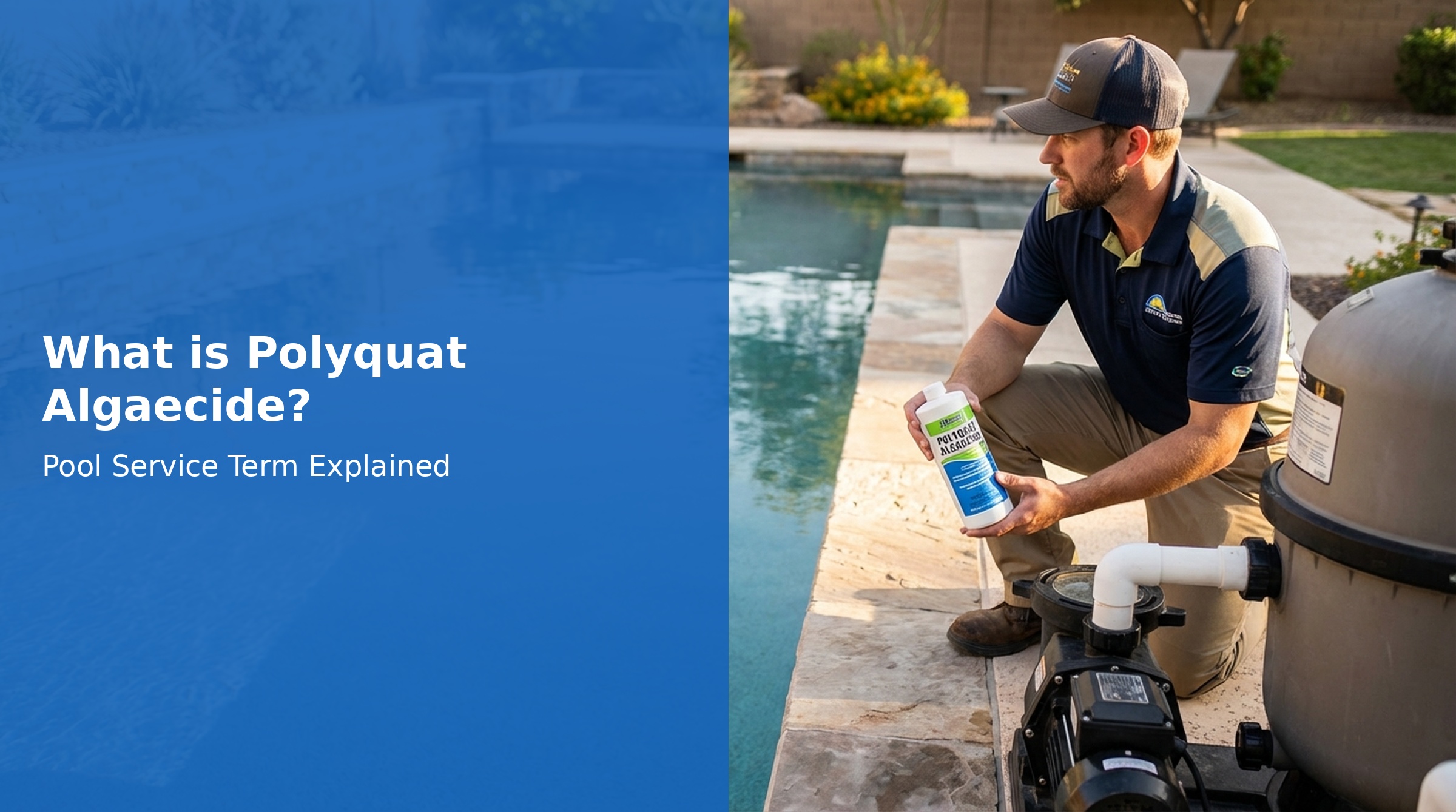
In the arsenal of pool maintenance chemicals, polyquat algaecide stands as one of the most effective and versatile algae prevention and treatment solutions available to pool service professionals. This quaternary ammonium compound has revolutionized algae control by offering superior performance without the drawbacks commonly associated with other algaecide types. Understanding how polyquat algaecide works, when to use it, and how to apply it properly can significantly enhance your pool service operations and customer satisfaction.
Key Takeaways
- Polyquat algaecide is a cationic polymer that provides excellent algae prevention and treatment
- Safe for all pool surfaces and won't cause staining or foaming issues
- Effective against all types of algae including stubborn black and mustard algae
- Ideal dosage ranges from 8-16 oz per 10,000 gallons depending on application
- Works best when water chemistry is properly balanced
What is Polyquat Algaecide?
Polyquat algaecide, short for polyquaternary ammonium compound, is a cationic polymer specifically designed for swimming pool algae control. Unlike traditional copper-based algaecides, polyquat is a non-metallic formulation that carries a positive electrical charge. This positive charge allows it to bind effectively to negatively charged algae cells, disrupting their cellular structure and preventing reproduction.
The "poly" prefix indicates that multiple quaternary ammonium compounds are linked together in a chain, creating a more potent and longer-lasting algaecide. This polymer structure gives polyquat its superior performance characteristics and makes it particularly effective against resistant algae strains that other algaecides might struggle to eliminate.
Chemical Composition and Properties
Polyquat algaecides typically contain polyquaternium compounds such as poly[oxyethylene (dimethylamino) ethylene (dimethylamino) ethylene dichloride]. These complex molecules are engineered to be highly stable in chlorinated water while maintaining their algaecidal properties over extended periods. The molecular structure allows for excellent dispersion throughout the pool water and provides residual protection that can last for weeks.
Why Polyquat Algaecide Matters for Pool Professionals
For pool service professionals, polyquat algaecide offers several critical advantages that can streamline operations and improve service quality. First and foremost, it eliminates the staining risks associated with copper-based algaecides, which can permanently discolor pool surfaces, especially in pools with unbalanced water chemistry.
Versatility Across Pool Types
Polyquat algaecide is safe for use in all pool types, including:
- Vinyl liner pools
- Fiberglass pools
- Plaster and aggregate finishes
- Tile and natural stone surfaces
- Saltwater chlorination systems
This versatility means you can maintain consistent algae control protocols across your entire service route without worrying about surface compatibility issues.
No Foaming Issues
Unlike some quaternary ammonium algaecides, high-quality polyquat formulations are specifically designed to be non-foaming. This characteristic is crucial for maintaining professional appearances and avoiding customer complaints about excessive suds or foam production.
Application Methods and Dosage Guidelines
Proper application of polyquat algaecide is essential for achieving optimal results. The effectiveness of treatment depends not only on correct dosage but also on water chemistry balance and circulation system operation.
Preventive Treatment
For routine algae prevention, apply 8-12 ounces of polyquat algaecide per 10,000 gallons of pool water. This maintenance dose should be added weekly during peak swimming season and can be reduced to bi-weekly applications during cooler months or periods of reduced pool usage.
Curative Treatment
When treating visible algae growth, increase the dosage to 12-16 ounces per 10,000 gallons. For severe infestations or resistant algae types like black algae, consider using the maximum recommended dose and supplementing with mechanical removal techniques such as brushing and vacuuming.
Application Best Practices
Always ensure proper water chemistry before applying polyquat algaecide. Ideal conditions include:
- pH between 7.2-7.6
- Total alkalinity between 80-120 ppm
- Free chlorine levels between 1-3 ppm
- Proper circulation system operation
Use our chemical dosage calculator to ensure accurate chlorine and pH adjustments before algaecide application.
Real-World Scenarios and Problem-Solving
Scenario 1: Persistent Green Algae
A residential pool develops green algae despite regular chlorination. After testing water chemistry and finding low pH (6.8) and high cyanuric acid levels, the solution involves balancing the water chemistry first, then applying polyquat algaecide at curative doses. The algaecide provides immediate algae kill while preventing regrowth during the chemical rebalancing process.
Scenario 2: Black Algae in Commercial Pool
A commercial facility experiences black algae spots on the pool walls. The treatment protocol includes aggressive brushing to break through the algae's protective coating, followed by maximum-dose polyquat application. The non-staining formula is crucial in this scenario to avoid permanent surface damage that could result in costly repairs.
Scenario 3: Saltwater Pool Maintenance
Saltwater pools can be challenging for algae control due to fluctuating chlorine levels. Polyquat algaecide provides consistent protection regardless of chlorine generator output variations, making it an ideal choice for maintaining these systems during equipment maintenance or seasonal adjustments.
Compatibility and Storage Considerations
Polyquat algaecide is compatible with all standard pool sanitizers, including chlorine, bromine, and alternative sanitization systems. However, avoid mixing concentrated products directly, and always add algaecide to water rather than adding water to concentrated algaecide.
Store polyquat algaecide in original containers, away from extreme temperatures and direct sunlight. Proper storage maintains product efficacy and extends shelf life, typically 2-3 years when stored correctly.
Measuring Success and Troubleshooting
Successful polyquat algaecide treatment should show visible results within 24-48 hours for most algae types. Monitor water clarity and conduct regular algae inspections, particularly in areas prone to growth such as steps, corners, and behind ladders.
If algae persists after proper polyquat application, consider factors such as inadequate circulation, biofilm presence, or severely unbalanced water chemistry. Our pool service terminology glossary provides additional resources for troubleshooting complex water chemistry issues.
Conclusion
Polyquat algaecide represents the gold standard in professional algae control, offering reliable performance without the risks associated with metallic alternatives. Its versatility, safety profile, and effectiveness make it an essential tool for pool service professionals seeking to deliver consistent, high-quality results. By understanding proper application techniques, dosage requirements, and compatibility considerations, you can leverage polyquat algaecide to enhance your service offerings and maintain pristine pool conditions for your clients year-round.