What Is Non-Chlorine Shock for Pools?


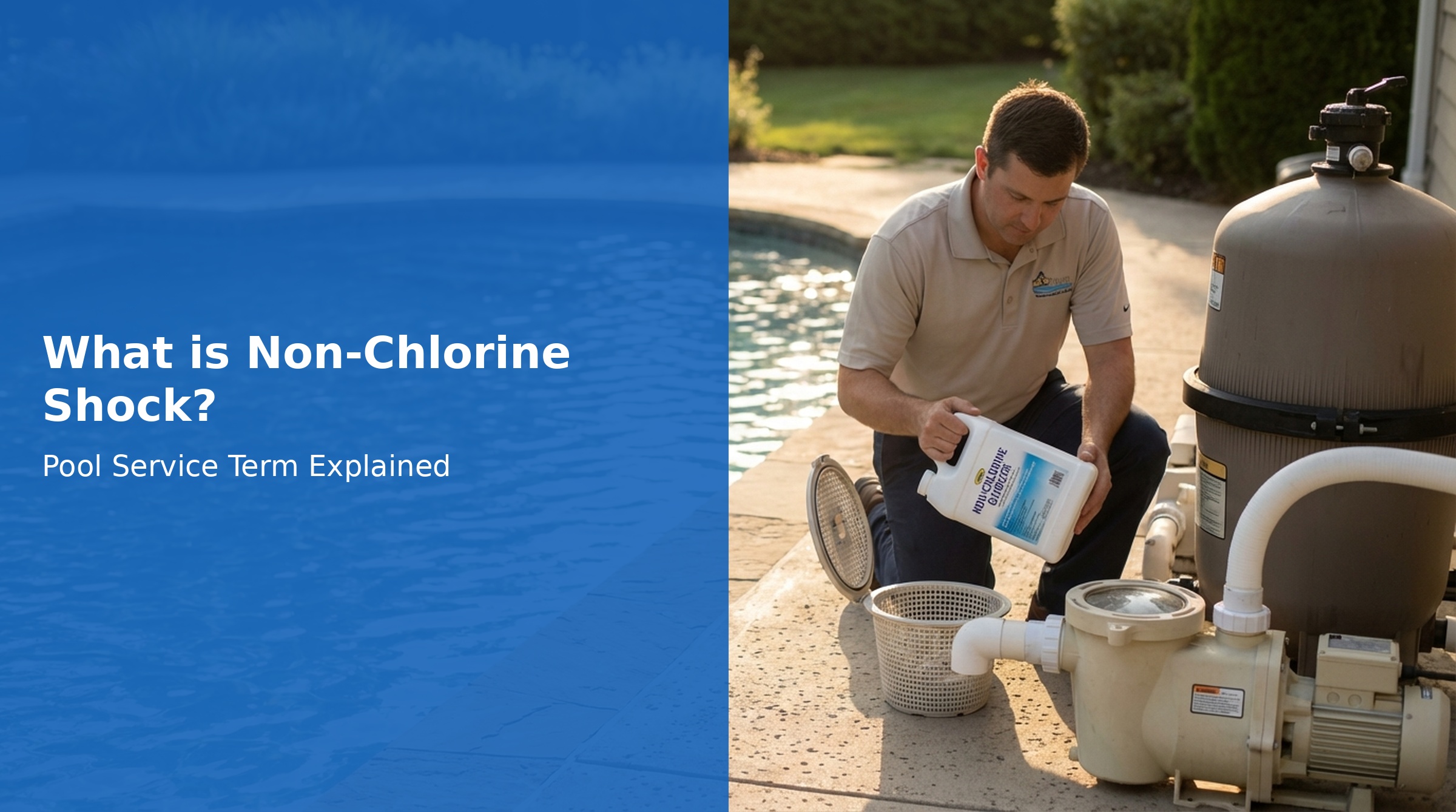
Pool service professionals understand that maintaining crystal-clear, sanitized water requires more than just regular chlorine additions. When faced with cloudy water, algae blooms, or persistent chlorine demand, many turn to non-chlorine shock as a powerful tool in their chemical arsenal. This oxidizing treatment offers unique advantages that complement traditional chlorination methods, making it an essential component of comprehensive pool maintenance programs.
Key Takeaways
- Non-chlorine shock (potassium monopersulfate) oxidizes contaminants without adding chlorine to the water
- Allows immediate swimming after treatment, unlike chlorine shock which requires waiting periods
- Ideal for weekly maintenance, breaking down chloramines, and treating pools with high stabilizer levels
- Works effectively in conjunction with chlorine sanitizers to maintain water clarity and quality
- Particularly valuable for saltwater pools and facilities requiring minimal downtime
What is Non-Chlorine Shock?
Non-chlorine shock, scientifically known as potassium monopersulfate (KMPS), is an oxygen-based oxidizing agent that breaks down organic contaminants, chloramines, and other unwanted compounds in pool water. Unlike traditional chlorine shock treatments, it accomplishes oxidation without introducing additional chlorine into the water system.
The active ingredient works by releasing oxygen molecules that attack and neutralize organic matter such as body oils, sunscreen residues, sweat, and other swimmer-introduced contaminants. This process effectively "burns up" these materials, allowing the existing sanitizer system to work more efficiently.
Chemical Composition and Properties
Potassium monopersulfate compound (2KHSO5•KHSO4•K2SO4) provides a reliable oxidizing potential of approximately 1.85 times that of chlorine. When dissolved in water, it rapidly releases active oxygen that performs the oxidation process without producing hypochlorous acid or increasing available chlorine levels.
The pH-neutral nature of quality non-chlorine shock products means minimal impact on water balance parameters, reducing the need for additional pH adjustments that often accompany chlorine shock treatments.
Why Non-Chlorine Shock Matters in Pool Service
Professional pool technicians increasingly rely on non-chlorine shock to address specific water quality challenges that traditional chlorination cannot effectively resolve. Understanding when and why to use this treatment distinguishes experienced professionals from basic maintenance providers.
Breaking the Chloramine Cycle
Chloramines form when chlorine combines with nitrogen-containing compounds introduced by swimmers. These combined chlorine molecules produce the characteristic "chlorine smell" and can cause eye irritation, skin problems, and reduced sanitizer effectiveness. Non-chlorine shock breaks apart these chloramine bonds, freeing up chlorine to resume its sanitizing role.
Weekly non-chlorine shock treatments prevent chloramine buildup, maintaining comfortable swimming conditions and optimal sanitizer performance. This proactive approach reduces customer complaints about strong chemical odors and irritation issues.
Managing High Stabilizer Situations
Pools with elevated cyanuric acid levels often struggle with "chlorine lock," where high stabilizer concentrations prevent effective sanitization. Non-chlorine shock provides oxidizing power independent of stabilizer levels, helping maintain water quality while addressing the underlying CYA imbalance.
For precise stabilizer management, utilize our cyanuric acid calculator to determine optimal levels and dilution requirements when dealing with over-stabilized pools.
Application Methods and Best Practices
Successful non-chlorine shock treatment requires proper dosing, timing, and application techniques. Professional implementation ensures maximum effectiveness while avoiding common pitfalls that reduce treatment benefits.
Dosage Guidelines
Standard treatment calls for 1 pound of non-chlorine shock per 10,000 gallons of pool water for routine weekly maintenance. Heavy bather loads, visible contaminant issues, or persistent chloramine problems may require double dosing (2 pounds per 10,000 gallons).
Always pre-dissolve the product in a bucket of pool water before adding to prevent localized high concentrations that could damage pool surfaces or equipment. Distribute the dissolved solution evenly around the pool perimeter with circulation running.
For comprehensive chemical balancing, including proper chlorine levels to work alongside non-chlorine shock treatments, reference our chemical dosage calculator for accurate measurements.
Timing and Frequency
Apply non-chlorine shock during evening hours or after peak sun exposure to maximize effectiveness. UV radiation can break down the active oxygen before it completes the oxidation process, reducing treatment efficiency.
Weekly applications work well for most residential pools, while commercial facilities may benefit from twice-weekly treatments depending on bather loads and water quality demands. High-use periods, pool parties, or heavy rainfall events warrant additional shock treatments.
Real-World Applications and Scenarios
Understanding specific situations where non-chlorine shock excels helps pool professionals make informed treatment decisions and provide superior customer service.
Saltwater Pool Maintenance
Salt chlorine generators produce chlorine continuously, making additional chlorine shock treatments potentially problematic. Non-chlorine shock provides necessary oxidation without overwhelming the generator system or creating excessive chlorine levels that stress equipment.
Monthly non-chlorine shock treatments help saltwater pools maintain optimal water clarity while allowing the generator to maintain consistent sanitizer levels.
Commercial Pool Operations
Hotels, fitness centers, and aquatic facilities cannot afford extended pool closures for shock treatments. Non-chlorine shock allows immediate pool reopening, maintaining revenue-generating operations while addressing water quality needs.
The rapid dissolution and immediate swimmer safety make non-chlorine shock ideal for facilities requiring minimal downtime between treatments and pool usage.
Problem Water Recovery
Cloudy water situations often benefit from combination treatments using both chlorine sanitizers and non-chlorine oxidizers. The KMPS breaks down organic matter while chlorine handles sanitization duties, accelerating water clearing processes.
This approach proves particularly effective when dealing with algae aftermath, heavy organic loading, or seasonal pool openings with accumulated contaminants.
Integration with Complete Water Management
Non-chlorine shock works best as part of comprehensive water balance management. Regular testing and adjustment of pH, alkalinity, and calcium hardness ensure optimal treatment effectiveness and equipment protection.
Monitor the Langelier Saturation Index to maintain proper water balance alongside oxidation treatments, preventing scale formation or surface etching that can complicate maintenance routines.
Professional pool technicians who master non-chlorine shock applications provide superior service quality, addressing water problems more effectively while minimizing customer inconvenience. This treatment method represents an essential skill set for modern pool service operations, complementing traditional sanitization methods and expanding service capabilities. For additional technical terminology and treatment options, consult our comprehensive pool service terminology glossary to enhance your professional knowledge base.