
Pool Chemical Documentation: What Records You Need to Keep


If a customer's plaster etches, who gets blamed? If a kid gets sick after swimming, who gets sued? If your chlorine was perfect and you can prove it, you win. If you can't prove it, you lose. That's why chemical records matter.
Good records take 30 seconds per pool. Bad records, or no records, can cost you thousands in a single claim.
Key Takeaways
- Log every reading, every visit. Free chlorine, pH, and CYA at minimum. More is better.
- Records protect you from lawsuits. If someone claims you damaged their pool, your logs are your defense.
- Keep records for at least 3 years. Liability claims can show up long after the service date.
- Digital beats paper. Timestamped, GPS-tagged digital logs are harder to dispute than a notebook.
- Commercial pools have legal requirements. Many states require daily logs for public and commercial pools.
What to Document at Every Visit
You don't need to write a book. You need to record the numbers. Here's what to log every time you service a pool. PoolDial's chemical tracking captures all of this in under 30 seconds from your phone.
| Reading | Why It Matters | Target Range |
|---|---|---|
| Free chlorine | Proves the pool was sanitized when you left | 1-4 ppm (residential) |
| pH | Out-of-range pH causes plaster damage, skin irritation | 7.2-7.6 |
| Total alkalinity | Keeps pH stable. Low TA = pH bounce | 80-120 ppm |
| CYA (stabilizer) | Protects chlorine from sunburn. Too high = chlorine lock | 30-50 ppm |
| What you added | Proves what chemicals were used and in what amounts | Varies |
For a deeper look at what to test and how, read our guide on logging chemical readings in the field. Use our chemical dosage calculator to figure out exactly how much to add.
Why Records Protect Your Business
Insurance claims against pool companies happen more than you think. A customer's plaster etches. Their pool deck stains. Someone gets a rash. A child gets sick. In every case, the first question is: "What were the chemical readings?"
If you have timestamped logs showing the pH was 7.4 and chlorine was 3.0 ppm when you left, you have proof. If you don't, it's your word against theirs. And in a lawsuit, your word isn't enough. PoolDial stores every chemical reading with a date, time, and GPS location. That's the kind of proof that holds up.
Take Photos Too
Numbers are great. Photos are better. A quick photo of the pool when you arrive and when you leave gives you a visual record that no one can argue with.
What to photograph:
- The pool surface. Especially if you notice staining, etching, or discoloration. Prove it was there before you arrived.
- Equipment issues. A cracked pump lid, a leaking valve, a corroded heater. Document it so the customer can't blame you later.
- Green pools. Before and after shots show the work you did. Great for proving value to the customer too.
PoolDial's inspection feature lets you attach photos to each service visit. They're timestamped and tied to the customer record. If a claim comes up six months later, the photos are right there.
How Long to Keep Records
Most states don't have a specific law about how long residential pool service records must be kept. But liability claims can be filed years after the event. The general rule from insurance experts: keep everything for at least 3 years. Five is better.
PoolDial keeps all your chemical logs forever in the cloud. You don't have to think about how long to store them. They're always there when you need them. Paper records get lost, damaged, or thrown away. Digital records don't.
| Pool Type | Record Requirements | How Long |
|---|---|---|
| Residential | No legal requirement in most states, but strongly recommended | 3-5 years minimum |
| Commercial | Required by state/local health codes. Daily logs of chlorine, pH, temp | 1-3 years (varies by state) |
| HOA / Community | Usually follows commercial rules. Check local health department | 1-3 years |
Commercial Pool Requirements
If you service commercial pools (hotels, apartments, HOAs, public facilities), chemical logging is not optional. It's the law. Most states require daily or per-shift readings of chlorine and pH at minimum. Some require temperature, total alkalinity, and ORP.
PoolDial's chemical tracking meets these requirements. Every reading is timestamped, stored digitally, and can be exported as a report for health inspectors. No more scrambling to find a paper log book when the inspector shows up.
What Happens When You Don't Keep Records
Without records, you're exposed. Here are real scenarios where missing documentation hurts you:
- Plaster damage claim. Customer says your chemicals etched their plaster. Without pH logs, you can't prove it wasn't you. PoolDial's history shows every pH reading you ever logged for that pool.
- Skin irritation complaint. A child gets a rash after swimming. The parent blames the chlorine. Your logs showing 2.5 ppm free chlorine (within range) end the discussion. Without logs, you're paying for a doctor visit.
- Insurance claim denial. Your insurance company asks for documentation of the service visit in question. You have nothing. They have less incentive to defend you. PoolDial gives you a full history to hand your insurer.
- Losing a customer dispute. Customer says you haven't been showing up. Your timestamped, GPS-tagged PoolDial logs prove you were there every Tuesday at 10:15 AM.
Paper vs Digital Records
Some pool pros still use paper log sheets or notebooks. That worked in 2010. It doesn't work now. Here's why PoolDial's digital logs are better.
| Paper Records | PoolDial Digital Records |
|---|---|
| Get wet, smudged, lost | Stored in the cloud. Always accessible. |
| No timestamp proof | Auto-timestamped with date, time, GPS location |
| Hard to search | Search any pool's history in seconds |
| Can be altered | Tamper-proof digital record |
| Can't share with insurance | Export and email a PDF report instantly |
| Tech has to carry a clipboard | Log readings from your phone in 30 seconds |
For more on this topic, read our guide on digital vs paper pool service logs.
See It in Action: PoolDial Chemical Tracking
PoolDial logs chemical readings from your phone in seconds. Every reading is timestamped and GPS-tagged. Attach photos. See trends over time. Export reports for insurance or health inspectors. Your records are always there when you need them.
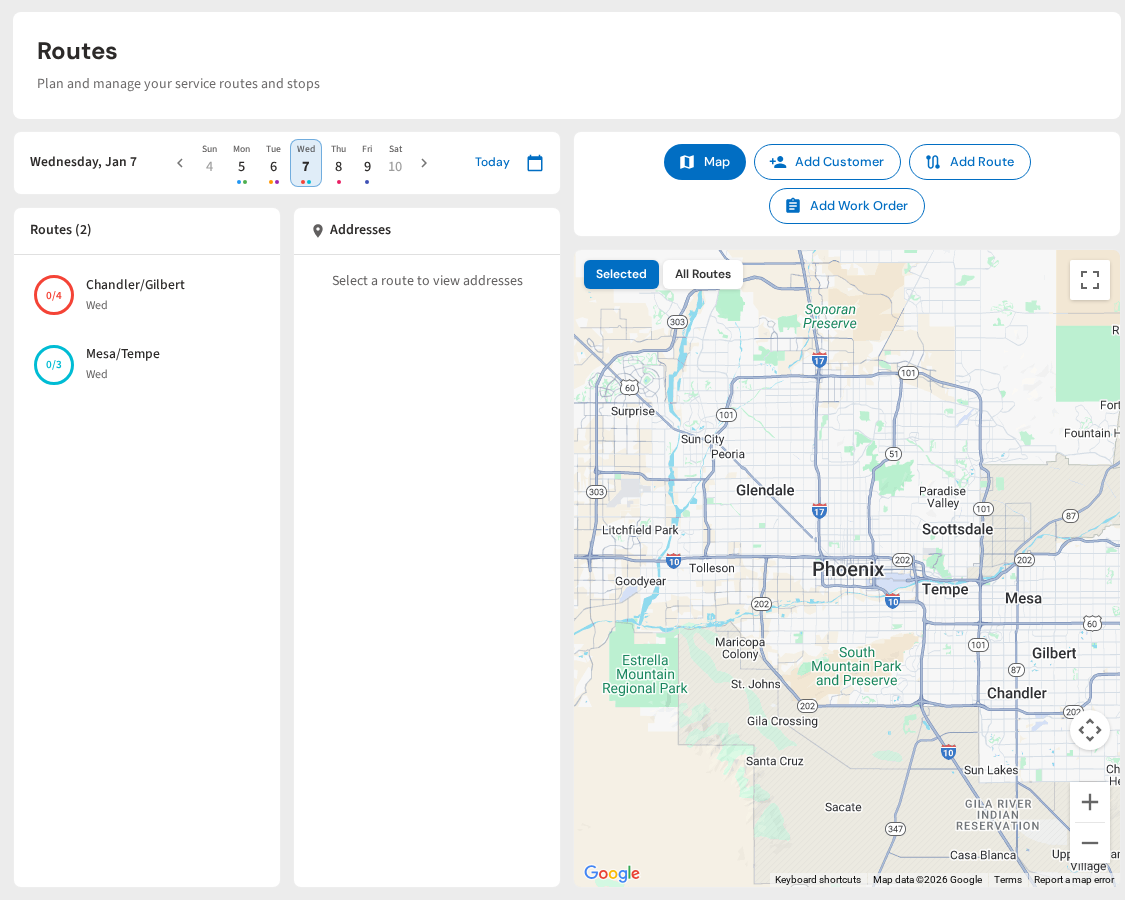
Protect Your Business with Better Records
PoolDial's chemical tracking logs every reading, every visit. Timestamped, GPS-tagged, and stored forever. Plans start at $2/pool.
Start Your Free Trial