¡El consejo del día para la piscina del miércoles!
Key Takeaways
- Form an LLC instead of sole proprietorship to protect personal assets and gain tax advantages
- Invest in quality basic equipment like telescopic poles and test kits, but avoid overspending when starting out
- Start with family and friends as your first customers, then use social media for cost-effective marketing
- Separate business and personal finances completely, and establish wholesale chemical supplier relationships
- Obtain proper licensing and insurance to build credibility and charge premium rates
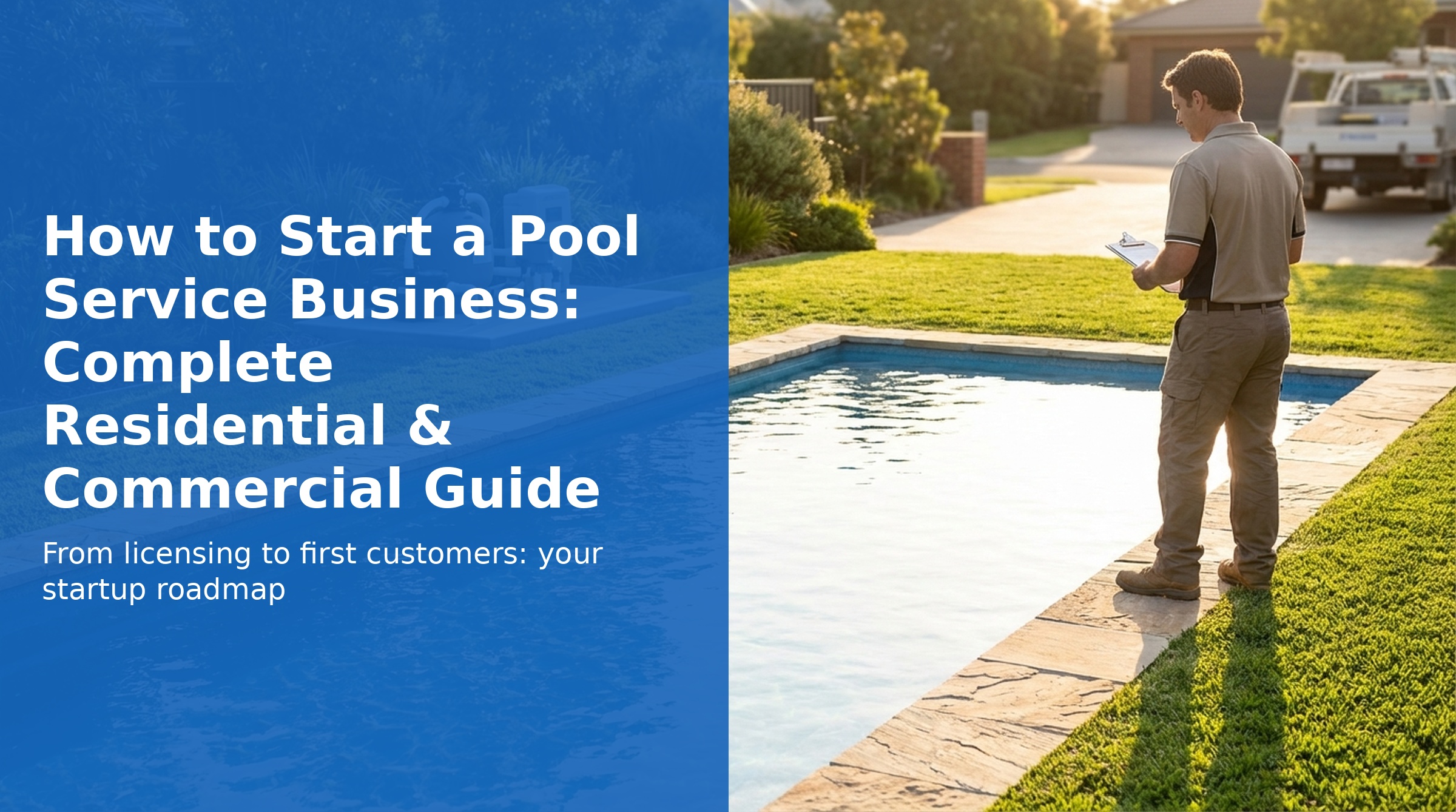
Starting your own pool service business might seem daunting, but it doesn't have to be. In this special episode of the Talking Pools Podcast's "Échale Más Cloro" segment, listeners get a step-by-step roadmap for launching a successful pool maintenance company. Whether you're tired of working for someone else or looking to turn your pool knowledge into profit, this comprehensive guide breaks down everything you need to know—from legal requirements to essential equipment.
Getting Your Business Structure Right
The foundation of any successful business starts with proper legal structure. While many new entrepreneurs are tempted to start simple, the host emphasizes the importance of doing things right from the beginning.
Si quieres hacer las cosas bien desde el comienzo, yo recomiendo que empieces con un LLC. Limited liability company. La LLC protege tu dinero y tus cosas personales si un cliente un día se decide a demandarte.
— Host, Talking Pools Podcast
The podcast explains that while you can start as a sole proprietorship, forming an LLC (Limited Liability Company) provides crucial protection for your personal assets. This business structure creates a legal separation between you and your business, meaning if someone sues your company, your house, car, and personal belongings remain protected.
When choosing your business name, the advice is practical: keep it simple and memorable. Many pool service companies use the owner's name followed by "full service," but the key is ensuring no one else in your state has the same name. You can check name availability through your state's Secretary of State website.
Next, you'll need to obtain an EIN (Employer Identification Number) from the IRS. This serves as your business's social security number for tax purposes. The host strongly recommends going directly to the IRS website rather than paying third-party services for this free process.
Licensing and Legal Requirements
Operating legally requires understanding your local and state requirements. Business licensing varies significantly by location, so you'll need to check with your city or county offices to understand what permits are required in your area.
Pool service licensing requirements differ dramatically from state to state. Some allow you to work without a license but with restrictions on the types of work you can perform. Others, like California, require licensing for equipment installation and repairs.
Aquí en el estado de California, instalar y reparar el equipo de la piscina. Se necesita experiencia en el campo. Presentarte para un examen y tienes que pagar por tu licencia. Pero vale la pena porque creas credibilidad y puedes cobrar más.
— Host, Talking Pools Podcast
While licensing may seem like an extra expense and hassle, it's actually an investment in your business's credibility and earning potential. Licensed contractors can charge premium rates and take on more complex, profitable jobs.
Don't overlook business insurance—it's not optional if you want to protect your investment. Pool service involves working with expensive equipment, and accidents happen. Whether you break a filter, damage a pump, or crack pool equipment, proper insurance coverage prevents these mishaps from destroying your business financially.
Essential Equipment for Pool Service Success
The right equipment can make or break your efficiency and professional image. The podcast provides detailed recommendations for the tools every pool service professional needs.
Your telescopic pole is arguably your most important tool—you'll use it constantly throughout your workday. The host recommends investing in quality equipment like Ultimate Pool Tools or Pentair, which feature fiberglass construction and metal connectors that won't wear out like cheaper alternatives.
Yo tengo un pole de Ultimate Full Tools. El palo es de hecho de fiberglass y bien durable. Y tiene un metal abajo para que no tengas que estar cortando el palo de abajo. Porque se doblan los dos palos que son más baratos.
— Host, Talking Pools Podcast
For nets and brushes, quality matters for longevity and effectiveness. The host particularly recommends brushes with corner bristles ("dedos" or fingers) that help clean tight spaces more effectively.
Water testing is crucial for proper pool maintenance. While test strips offer convenience for daily use, they're not always accurate. The podcast suggests using test strips for routine checks but investing in a Taylor test kit or digital tester like the Spin Touch for monthly precision testing.
You'll need a reliable vacuum system—either a portable unit with its own pump and filter, or hoses that connect to the pool's existing system through the skimmer. Many professionals prefer connecting to existing systems to avoid carrying additional equipment.
Consider investing in service carts to transport your equipment and chemicals efficiently. These wheeled carts prevent constant trips back to your truck and reduce physical strain throughout long service days.
Building Your Chemical Supply Chain
Establishing relationships with chemical suppliers is essential for maintaining consistent service and healthy profit margins. Opening wholesale accounts with pool supply distributors gives you access to professional-grade chemicals at better prices than retail stores.
Your truck should carry basic chemicals for routine maintenance: liquid chlorine, muriatic acid, and pH adjusters. The specific chemical inventory depends on your service area's typical water conditions and customer needs.
The podcast emphasizes keeping business and personal finances completely separate. Open a dedicated business bank account and only use it for business expenses. This separation not only protects your LLC status but also makes tax preparation much simpler.
Finding Your First Customers
Customer acquisition is often the biggest challenge for new pool service businesses. The podcast recommends starting close to home—literally.
Quieres empezar con conocidos. O con familia. O con amigos. Eso. Porque van a soportar tu negocio. Como no tienes clientes. Y apenas estás empezando. Es difícil. Para cierta gente. Confiar su alberca. Confiártela.
— Host, Talking Pools Podcast
Family, friends, and acquaintances are more likely to trust a new business owner with their pool maintenance. These initial customers provide valuable experience, testimonials, and word-of-mouth referrals.
Consider offering introductory discounts—perhaps 20% off the first month—to attract new customers. This strategy helps overcome the natural hesitancy people have about hiring an unproven service provider.
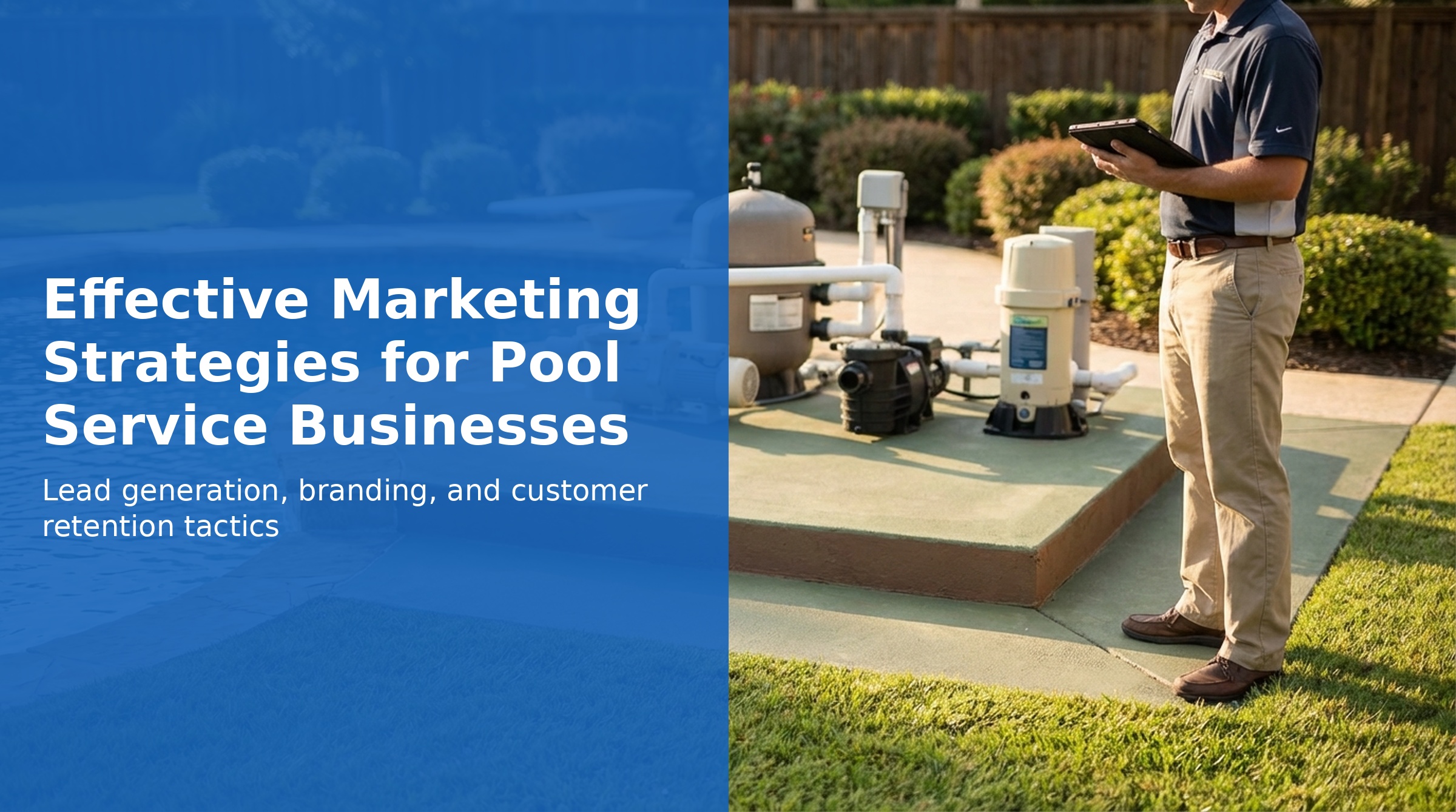
Modern marketing happens online. Social media platforms like Facebook and Instagram offer cost-effective ways to showcase your work and reach potential customers. Apps like Nextdoor connect you directly with neighbors who might need pool service.
Traditional marketing methods like flyers and business cards still work, but digital marketing typically reaches more people with less effort. The key is maintaining professional-quality content that demonstrates your expertise and reliability.
Smart Money Management from Day One
Financial discipline separates successful pool service businesses from those that struggle. The podcast stresses the importance of proper business structure for tax advantages and legal protection.
LLC formation offers significant benefits beyond liability protection. The tax advantages alone can save substantial money, with more write-off opportunities than sole proprietorships. However, tax strategy is complex, so consult with a qualified accountant to determine whether your LLC should elect S-Corp or C-Corp tax treatment.
The host offers practical advice for new entrepreneurs watching their startup costs:
Si apenas. Estás empezando. Y no tienes. Mucho dinero. No. Gastes. En equipo. Caro. Bro. No sea rápido. Para comprar. Las cosas caras. Porque se ven bien.
— Host, Talking Pools Podcast
Resist the temptation to buy expensive equipment just because it looks professional. Start with reliable, mid-range tools and upgrade as your business grows. Your customers care more about clean pools than fancy equipment.
Taking Action: Your Pool Business Roadmap
Starting a pool service business requires methodical planning and execution, but it's entirely achievable with the right approach. The legal foundation—choosing between sole proprietorship and LLC, obtaining proper licensing, and securing appropriate insurance—protects both your business and personal assets.
Equipment selection balances quality with budget constraints. Invest in tools you'll use daily, like telescopic poles and reliable test kits, but avoid overspending on items that don't directly impact service quality. Building relationships with chemical suppliers ensures consistent product availability at competitive prices.
Customer acquisition starts with your personal network and expands through digital marketing and exceptional service. Every satisfied customer becomes a potential source of referrals, so focus on quality work that builds your reputation.
Financial management through proper business structure and accounting practices sets the foundation for long-term success. The tax advantages and legal protection of an LLC often outweigh the additional paperwork and fees involved.
The pool service industry offers genuine opportunities for entrepreneurs willing to work hard and serve customers well. With proper planning, quality equipment, and dedication to excellence, your pool service business can provide both financial independence and the satisfaction of running your own company. As the podcast reminds us, there are no more excuses—everything you need to know is here, and success depends on taking action and doing things right from the start.
Episode Chapters
- 00:00 Introduction to Starting a Pool Business
- 02:30 Business Registration and Legal Structure
- 08:15 Licensing and Insurance Requirements
- 12:45 Essential Equipment and Tools
- 18:20 Chemical Testing and Water Management
- 22:10 Customer Acquisition Strategies
- 26:30 Financial Management and Tax Benefits
- 29:00 Final Tips and Conclusion
Never Miss a Customer Call Again
Built for pool pros who want to grow. AI receptionist, optimized routes, automated billing—everything at $2/pool.
Get a Demo