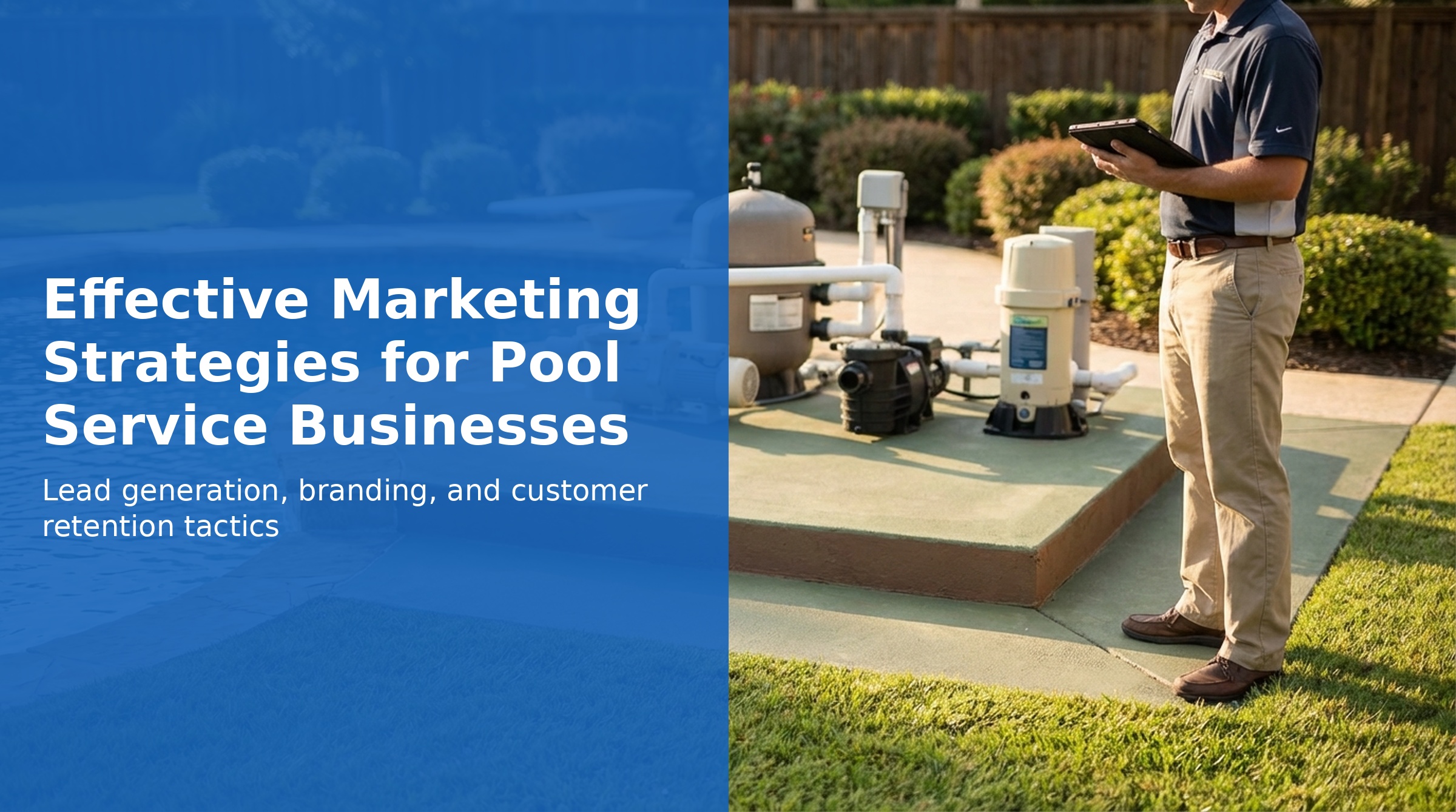
Automatic pool covers and water chemistry
Key Takeaways
- Automatic covers block CO2 loss and dilution, fundamentally changing pool chemistry behavior compared to uncovered pools
- Salt systems combined with auto covers can create pH suppression issues due to trapped CO2 from hydrogen gas bubbles
- Trichlor feeders are especially problematic with covers because they create additional CO2 that cannot escape
- Pool surface material matters less than cover type when troubleshooting chemistry issues
- Success requires adjusting chemical strategies (higher alkalinity, different timing) to work with physics rather than against it
The Hidden Chemistry Challenge of Automatic Pool Covers
If you own a pool with an automatic cover, you might think you have the easiest maintenance routine possible. After all, the cover keeps debris out and maintains water temperature—what could go wrong? Unfortunately, many pool owners discover too late that automatic covers create unique chemistry challenges that can lead to expensive damage if not properly managed.
Pool chemistry expert Eric Knight recently addressed this growing concern on the Rule Your Pool podcast, sharing insights from years of troubleshooting calls from frustrated pool owners. The reality is that automatic covers fundamentally alter how your pool's water chemistry behaves, and ignoring these changes can result in serious problems.
Two Critical Concepts Every Auto Cover Owner Must Understand
The foundation of managing an auto-covered pool comes down to understanding two key principles that differentiate these pools from their uncovered counterparts.
Two concepts I want you to walk away with from this episode. A pool cover blocks the loss of CO2 and it blocks dilution.
— Eric Knight, Rule Your Pool Podcast
These might sound like technical details, but they have massive practical implications. When rainwater can't enter your pool, you avoid dilution—which initially seems beneficial. Rain and snow are essentially distilled water with zero calcium content, and when they enter an uncovered pool, they dilute important chemical levels including cyanuric acid and total dissolved solids.
However, the CO2 issue is more complex and problematic. In nature, pool water constantly exchanges carbon dioxide with the atmosphere above it, following Henry's Law of gas equilibrium. This natural process affects pH levels and overall water balance. When you place a solid cover over your pool, you interrupt this fundamental physical process.
Why Pool Surface Material Matters Less Than You Think
Many pool owners obsess over whether they have a vinyl liner, fiberglass, or plaster surface when troubleshooting chemistry issues. However, Knight reveals a surprising truth about what really impacts your pool's chemical behavior.
The type of pool surface you have matters less than whether or not you have a cover on... Covers block the loss of CO2. At least solid auto covers block the loss of CO2. And they block dilution from getting in. Those are huge deals. They're going to affect your chemistry in bigger ways than whatever pool surface you have.
— Eric Knight, Rule Your Pool Podcast
This insight shifts the focus from surface materials to the fundamental physics of water chemistry. When your pool is properly balanced according to the Langelier Saturation Index, the water shouldn't interact negatively with any surface material. The real challenge lies in how covered water interacts with the trapped air space above it.
The Salt System Nightmare: When Technology Backfires
Salt water chlorine generators have become increasingly popular, but they create particularly challenging situations when combined with automatic covers. Understanding why requires a brief look at how these systems actually work.
Salt systems use electrolysis to generate chlorine, creating several byproducts in the process:
- Chlorine gas (acidic with low pH)
- Sodium hydroxide (basic with high pH)
- Hydrogen gas (creates bubbles and turbulence)
While the chlorine and sodium hydroxide neutralize each other's pH effects, the hydrogen gas bubbles create turbulence that normally forces CO2 out of the water. This CO2 loss typically causes pH to rise—but not under an automatic cover.
Where do those bubbles go? Oh yeah, they blow into the pool. They're supposed to off-gas. But if you have an auto-cover on it, the CO2 can't leave... If that CO2 that is oversaturated relative to the air above the pool is unable to leave, you basically have a new equilibrium under that cover.
— Eric Knight, Rule Your Pool Podcast
This trapped CO2 creates what Knight describes as putting "a cap on the beer"—the water can't reach its natural equilibrium, leading to pH suppression and potential etching of plaster surfaces.
The Trichlor Triple Threat
If salt systems are problematic with auto covers, trichlor feeders represent an even greater challenge. Trichlor tablets don't just trap existing CO2—they actually create more of it through their acidic nature.
When trichlor dissolves, it adds hydrogen ions that convert bicarbonate to carbonic acid (dissolved CO2). Under an automatic cover, this CO2 has nowhere to go, creating a compounding effect that drives pH down rather than just suppressing it.
Knight shared an example of a knowledgeable pool professional who successfully manages this challenge:
The only way that he's able to maintain this is he has about 150 to 160 alkalinity on that pool. And he also has 400 calcium. Interesting. Normally, if you look at the pH ceiling, that would tell you that pH is going to go through the roof, except it has a cover on it.
— Eric Knight, Rule Your Pool Podcast
This professional understood the physics involved and compensated by running higher alkalinity and calcium levels than typically recommended—a strategy that worked because the cover prevented the usual pH climb.
Smart Solutions for Auto Cover Challenges
While automatic covers create unique challenges, they're not insurmountable. Several strategies can help you maintain proper water chemistry:
Timing and Automation Solutions:
- Program salt systems to operate only when covers are open
- Use timers to automatically open covers during peak production periods
- Install sensors that detect cover position and adjust chemical feed accordingly
Equipment Modifications:
- Install degassing chambers similar to those used with ozone systems
- Consider water features that create turbulence and surface agitation
- Look into covers with side vents that allow some gas exchange
Chemical Strategy Adjustments:
- Switch from trichlor to liquid chlorine when possible
- Adjust alkalinity and calcium levels to compensate for trapped CO2
- Monitor LSI more frequently and maintain tighter control
The Real Cost of Ignoring Cover Chemistry
The consequences of mismanaging auto cover chemistry go far beyond minor inconveniences. Knight regularly receives calls from pool owners showing photos of severely damaged pool surfaces—sometimes on pools less than a year old.
Customers spend a lot of money on a really nice investment, beautiful pool finish, and nice tile, and all this stuff, and it just looks trashed. I hate seeing that. But yet we see it a lot.
— Eric Knight, Rule Your Pool Podcast
These problems are entirely preventable with proper understanding and management. The key is working with the physics of water chemistry rather than against it.
Making Peace with Pool Physics
Automatic pool covers offer undeniable benefits—they keep debris out, maintain temperature, and provide safety features. However, they also interrupt natural chemical processes that have operated for millions of years. Success comes from understanding these interruptions and adapting your maintenance approach accordingly.
The most important takeaway is that water will always try to return to its natural state. You can temporarily suppress or alter chemical processes, but you cannot eliminate them entirely. By acknowledging this reality and adjusting your approach, you can enjoy the benefits of an automatic cover without sacrificing your pool's finish or your wallet.
Whether you're a pool professional or a homeowner, the principles remain the same: understand what your cover does to water chemistry, monitor your levels more frequently, and be prepared to adjust your chemical strategy. With the right approach, managing an auto-covered pool becomes not just possible, but straightforward.
Episode Chapters
- 00:00 Introduction
- 02:30 Two Key Concepts: CO2 Loss and Dilution
- 05:15 Why Surface Material Matters Less
- 08:00 Salt Systems and Auto Cover Problems
- 12:45 The Trichlor Challenge
- 18:20 Solutions and Adaptations
- 22:10 Real-World Case Study
Never Miss a Customer Call Again
Built for pool pros who want to grow. AI receptionist, optimized routes, automated billing—everything at $2/pool.
Get a Demo