
What Does Stop Mean in Pool Service? SLANG


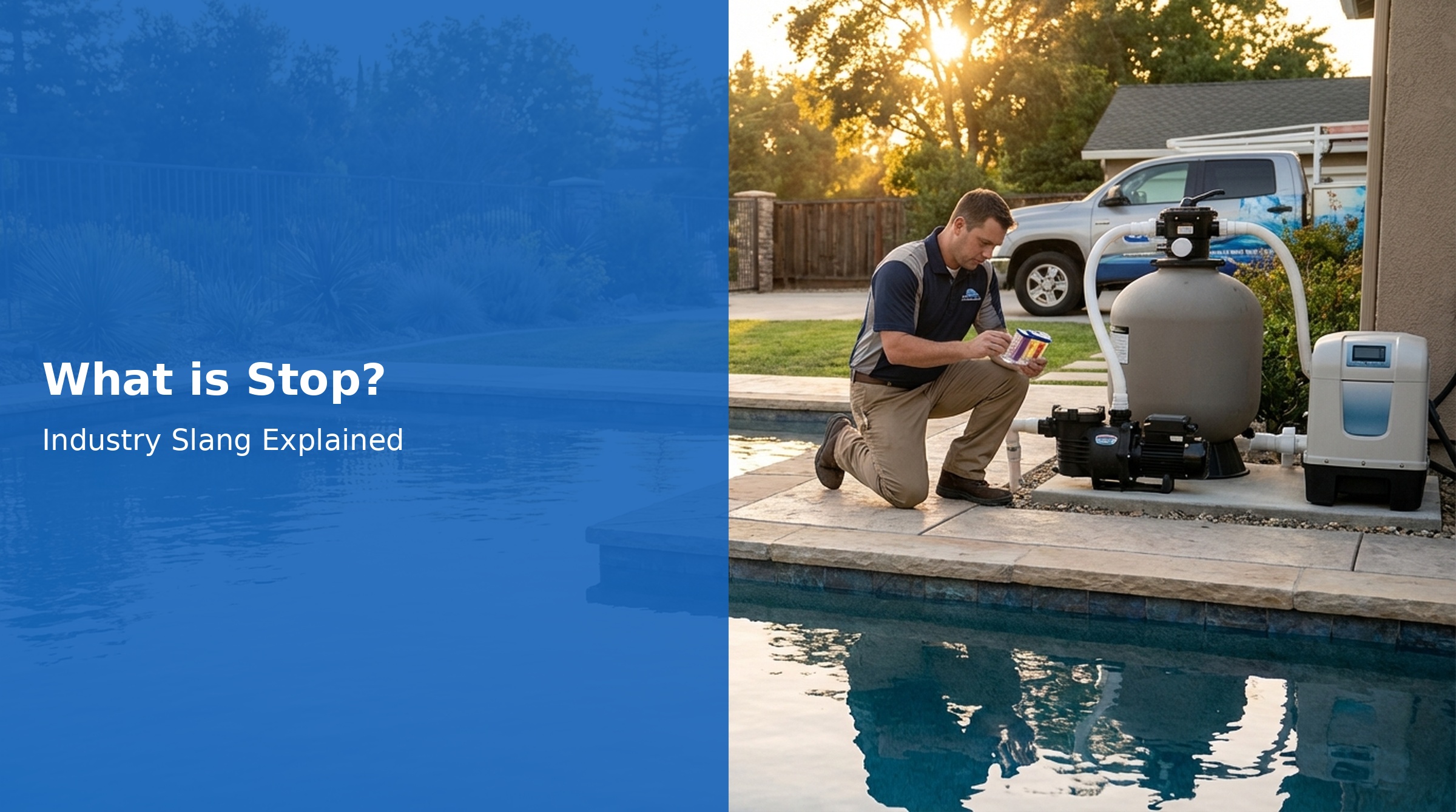
In the pool service industry, understanding the terminology that defines daily operations is crucial for both seasoned professionals and newcomers alike. One of the most fundamental terms you'll encounter is "stop" – a simple word that carries significant weight in how pool service businesses operate, price their services, and measure success. Whether you're scaling your existing route or just starting in the industry, mastering the concept of stops will directly impact your profitability and operational efficiency.
Key Takeaways
- A "stop" refers to a single pool service location on your route
- Stops are the primary unit for measuring route capacity and profitability
- Strategic stop management can significantly impact your bottom line
- Geographic clustering of stops reduces travel time and increases efficiency
- Quality stops are more valuable than quantity when building sustainable routes
What is a Stop in Pool Service?
A "stop" in pool service terminology refers to one individual pool or client location on your service route. When a pool service professional says, "I picked up three new stops this month," they're indicating they've added three new pools to their regular cleaning schedule. This industry slang has become the standard way to quantify business growth, route planning, and service capacity across the pool maintenance sector.
Each stop represents more than just a physical location – it's a recurring revenue stream, a time commitment, and a relationship with a client. Understanding how to evaluate, acquire, and manage stops effectively separates successful pool service businesses from those that struggle to maintain profitability.
The Economics of Pool Service Stops
Revenue Per Stop
The value of each stop varies significantly based on several factors including geographic location, service frequency, pool size, and additional services provided. A basic weekly cleaning stop might generate $100-150 per month, while full-service stops that include chemical balancing, equipment maintenance, and repairs can command $200-400 monthly.
Successful pool service professionals understand that not all stops are created equal. Premium stops – those that pay well, are located conveniently, and require minimal problem-solving – should be prioritized and protected. These clients often appreciate thorough service and are willing to pay for expertise in areas like proper chemical dosage calculations and water balance management.
Time Investment Per Stop
Industry standards suggest that a typical residential pool stop should take 20-30 minutes for basic cleaning and chemical adjustment. However, this can vary dramatically based on pool condition, seasonal factors, and client expectations. Efficient route planning ensures that travel time between stops is minimized, allowing more time for actual service delivery.
Strategic Stop Management
Geographic Clustering
The most profitable pool service routes feature stops clustered within specific neighborhoods or geographic areas. This clustering strategy reduces fuel costs, minimizes travel time, and allows for more stops per day. When evaluating new potential stops, consider their proximity to existing clients and whether they fit logically into your current route structure.
Many successful operators organize their routes by day of the week, with each day focused on a specific geographic area. This approach not only improves efficiency but also helps with client communication, as neighbors often discuss their pool service experiences.
Quality Over Quantity
While it might be tempting to accept every potential stop, experienced professionals know that difficult clients, problematic pools, or poorly located stops can drain profitability. A route of 60 high-quality stops will typically generate more profit than 80 stops that include problem accounts requiring excessive time or generating frequent complaints.
Factors That Define a Good Stop
Client Communication and Expectations
The best stops feature clients who understand the service being provided and have realistic expectations. These customers appreciate professional expertise in areas such as water balance calculations and seasonal maintenance requirements. They're also more likely to approve additional services when equipment needs attention or chemical adjustments require premium products.
Pool Condition and Accessibility
Stops with well-maintained equipment, clear pool access, and properly functioning circulation systems are inherently more profitable. Pools with consistent water balance issues, aging equipment, or difficult access can consume disproportionate time and resources. While these challenges can sometimes be addressed through client education and equipment upgrades, they require careful evaluation.
Payment Reliability
Reliable payment is crucial for sustainable operations. The best stops feature clients who pay consistently and on time, whether through automated billing systems or prompt manual payments. Late-paying clients not only impact cash flow but also require additional administrative time for follow-up and collection efforts.
Building and Scaling Your Stop Count
Acquisition Strategies
Growing your stop count requires a multi-faceted approach. Referrals from existing satisfied clients often provide the highest quality new stops, as these prospects come pre-qualified with realistic expectations. Marketing efforts should focus on geographic areas where you already have established stops, leveraging route efficiency for competitive pricing.
Seasonal timing also impacts stop acquisition. Spring represents the primary opportunity for new client acquisition, while mid-summer can offer opportunities to acquire stops from competitors who may be overwhelmed or providing poor service.
Retention and Stop Protection
Protecting existing stops is often more cost-effective than constantly acquiring new ones. This requires consistent service quality, clear communication, and proactive problem-solving. Understanding technical aspects like cyanuric acid management and seasonal water chemistry changes helps position you as a knowledgeable professional worth retaining.
Technology and Stop Management
Modern pool service software solutions have revolutionized stop management, offering route optimization, client communication tools, and detailed service tracking. These systems help ensure consistent service delivery while providing the documentation necessary for professional operations.
Digital tools also enable better stop evaluation through historical data tracking, helping identify which stops generate the most profit relative to time invested. This data-driven approach to stop management separates growing businesses from those that remain small-scale operations.
Conclusion
Understanding stops as the fundamental unit of pool service business operations is essential for success in this industry. Each stop represents an opportunity to build recurring revenue through professional service delivery and client relationship management. By focusing on strategic stop acquisition, geographic efficiency, and service quality, pool service professionals can build sustainable, profitable routes that provide excellent client value while supporting business growth.
Whether you're managing your first route or expanding an established operation, treating each stop as a valuable business asset worthy of professional attention will drive long-term success. For more industry terminology and professional insights, consult our comprehensive pool service terminology glossary to enhance your professional knowledge base.