
What Is Sodium Bromide in Pool Water?


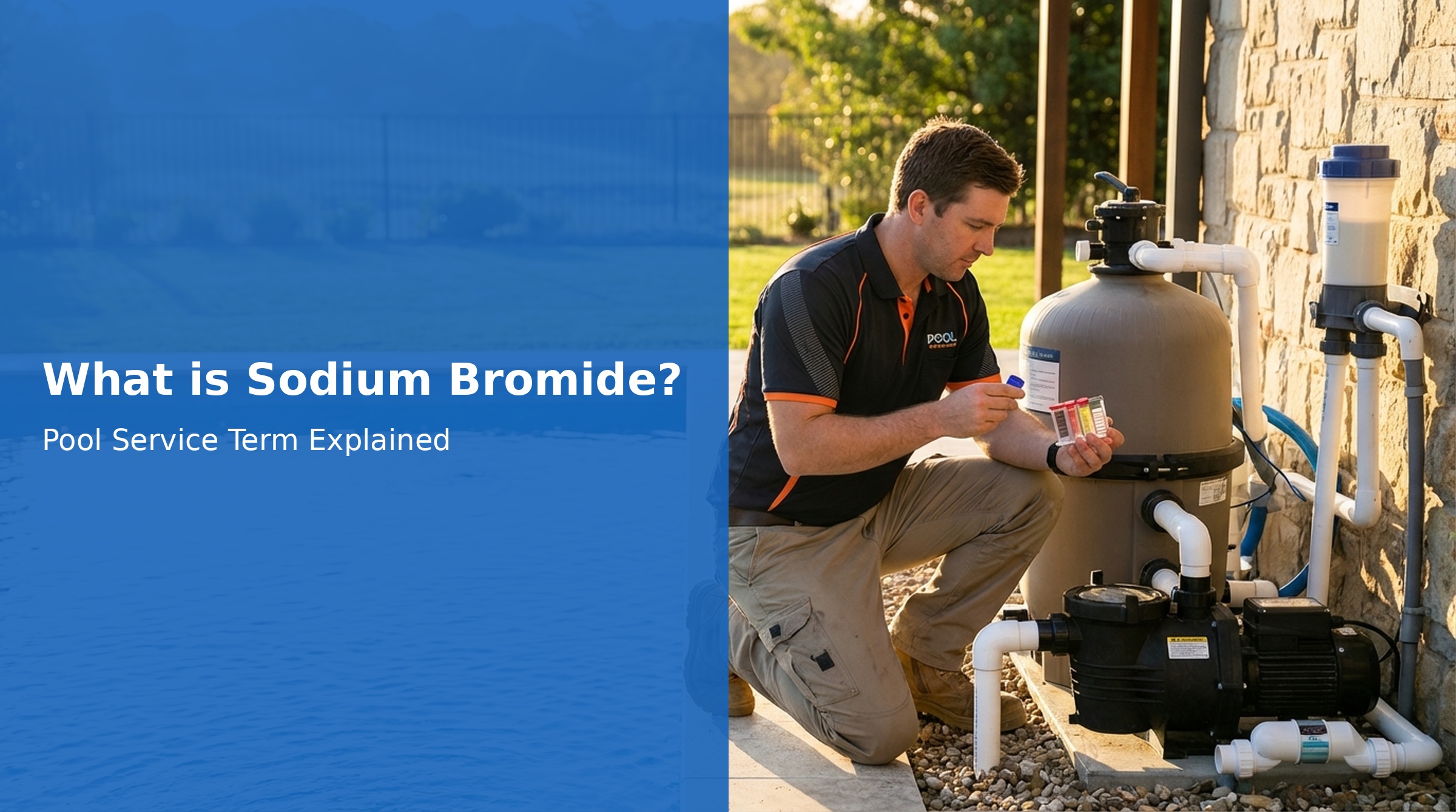
Sodium bromide represents one of the most significant yet overlooked challenges in modern pool water chemistry. As pool service professionals increasingly encounter this colorless, odorless compound in their daily operations, understanding its behavior and management becomes critical for maintaining pristine water quality and avoiding costly remediation procedures. Whether you're dealing with spa overflow, saltwater pool maintenance, or mysterious water quality issues, sodium bromide could be the invisible culprit affecting your chemical balance.
Key Takeaways
- Sodium bromide accumulates in pool water from brominated spa treatments and saltwater chlorine generators
- Bromide concentrations above 20 ppm can interfere with standard chlorine sanitization
- Testing requires specialized equipment as bromides don't show up on standard test strips
- Dilution through partial water replacement is the primary remediation method
- Prevention through proper spa isolation and generator maintenance is more cost-effective than treatment
Understanding Sodium Bromide in Pool Chemistry
Sodium bromide (NaBr) is a crystalline salt that dissolves completely in water, forming bromide ions that persist in pool and spa systems. Unlike chlorine compounds that break down over time, bromide ions remain stable and accumulate, creating long-term water chemistry challenges that many pool professionals struggle to identify and address.
The compound enters pool systems through several pathways, most commonly from brominated spa sanitizers that migrate into the main pool circulation. Saltwater chlorine generators also produce trace amounts of bromide as a byproduct of the electrolysis process, particularly when cell maintenance has been neglected or when salt quality is poor.
Chemical Properties and Behavior
Bromide ions exhibit unique characteristics that distinguish them from other halides in pool water. They readily react with free chlorine to form combined bromine compounds, effectively consuming available sanitizer while producing less effective disinfection byproducts. This reaction occurs continuously, creating an ongoing drain on chlorine levels that can frustrate even experienced technicians.
The molecular weight and ionic charge of bromide also affect water density and electrical conductivity, which can impact automatic chemical feeders and salt cell performance. These subtle changes often manifest as unexplained equipment behavior or inconsistent chemical readings.
Sources and Accumulation Patterns
Pool service professionals typically encounter sodium bromide buildup in three primary scenarios. The most common involves attached spas treated with bromine sanitizers, where overflow and shared circulation systems allow bromide migration into the main pool. Even small amounts of spa water can introduce significant bromide levels when concentrated treatment chemicals are involved.
Saltwater pools present another accumulation pathway, particularly those with aging or poorly maintained salt cells. As electrodes deteriorate, they can produce unwanted chemical reactions that generate bromide compounds. Pool owners who add non-certified salt products may unknowingly introduce bromide contaminants that accumulate over multiple seasons.
Environmental and Bather Load Factors
Heavy rainfall can concentrate existing bromide levels through dilution of other chemicals while leaving stable bromide ions largely unaffected. Similarly, high bather loads combined with bromide presence can accelerate the formation of problematic combined chlorine compounds, creating that characteristic "chemical" odor that indicates poor water quality.
Commercial facilities using bromine-based shock treatments or specialty chemicals may experience gradual bromide accumulation that goes unnoticed until water quality issues become severe enough to require professional intervention.
Detection and Testing Methods
Identifying sodium bromide requires specialized testing equipment that goes beyond standard colorimetric methods. Most pool professionals rely on photometric analyzers or send water samples to certified laboratories for bromide analysis. Digital test systems that include bromide measurement capabilities are becoming more common, but represent a significant investment for service companies.
Visual indicators of bromide presence include persistent chlorine demand despite adequate chemical addition, unusual combined chlorine readings, and equipment performance issues that don't respond to typical maintenance procedures. Water that maintains proper pH and alkalinity but continues producing strong chemical odors often contains elevated bromide levels.
Interpreting Bromide Test Results
Bromide concentrations below 10 ppm rarely cause noticeable issues in residential pools, but commercial facilities with higher bather loads may experience problems at lower levels. Readings between 10-20 ppm require monitoring and may benefit from partial water replacement during routine maintenance. Levels exceeding 20 ppm typically demand immediate attention through dilution or specialized treatment.
Professional testing should include comprehensive water analysis to understand how bromide levels interact with existing chemical dosage requirements and overall water balance parameters.
Management and Remediation Strategies
Addressing sodium bromide accumulation requires a multi-faceted approach that prioritizes prevention over treatment. The most effective strategy involves eliminating bromide sources through proper spa isolation, using separate circulation systems, and ensuring saltwater generators receive appropriate maintenance and quality salt inputs.
When remediation becomes necessary, partial water replacement remains the most reliable method for reducing bromide concentrations. Calculating the required dilution percentage depends on current bromide levels, target concentrations, and the specific pool system involved. Most residential pools benefit from replacing 25-30% of their water volume when bromide levels exceed treatment thresholds.
Advanced Treatment Options
Specialized ion exchange resins can selectively remove bromide ions from pool water, but require professional installation and ongoing maintenance that may exceed the cost of water replacement. Reverse osmosis mobile services offer another option for severe contamination cases, particularly valuable for large commercial pools where complete drainage isn't feasible.
Activated carbon filtration provides limited bromide removal but can help reduce associated combined chlorine compounds and improve overall water quality during the remediation process. Understanding water balance calculations becomes critical when implementing multiple treatment strategies simultaneously.
Prevention and Long-Term Management
Successful sodium bromide management starts with proper system design and maintenance protocols. Pool service professionals should establish clear boundaries between bromine-treated spas and chlorine-sanitized pools, using dedicated circulation systems wherever possible. When shared systems are unavoidable, regular bromide testing should become part of routine water analysis.
Educating customers about salt quality and approved products helps prevent contamination in saltwater pools. Establishing maintenance schedules that include salt cell inspection and cleaning reduces the likelihood of unwanted chemical reactions that produce bromide compounds.
Documentation becomes essential for tracking bromide trends over time, allowing service professionals to identify accumulation patterns and adjust treatment protocols before problems develop. This proactive approach proves more cost-effective than reactive remediation and helps maintain consistent water quality standards.
For pool service professionals, mastering sodium bromide management represents an opportunity to differentiate their services through advanced technical knowledge and problem-solving capabilities. By understanding the sources, detection methods, and treatment options for bromide contamination, technicians can address complex water chemistry challenges that often stump competitors. The key lies in combining proper testing procedures with preventive maintenance strategies and clear customer communication about the long-term benefits of professional water management. For additional technical terms and water chemistry concepts, reference our comprehensive pool service terminology glossary to enhance your professional knowledge base.