
What Is a Scum Line on a Pool?


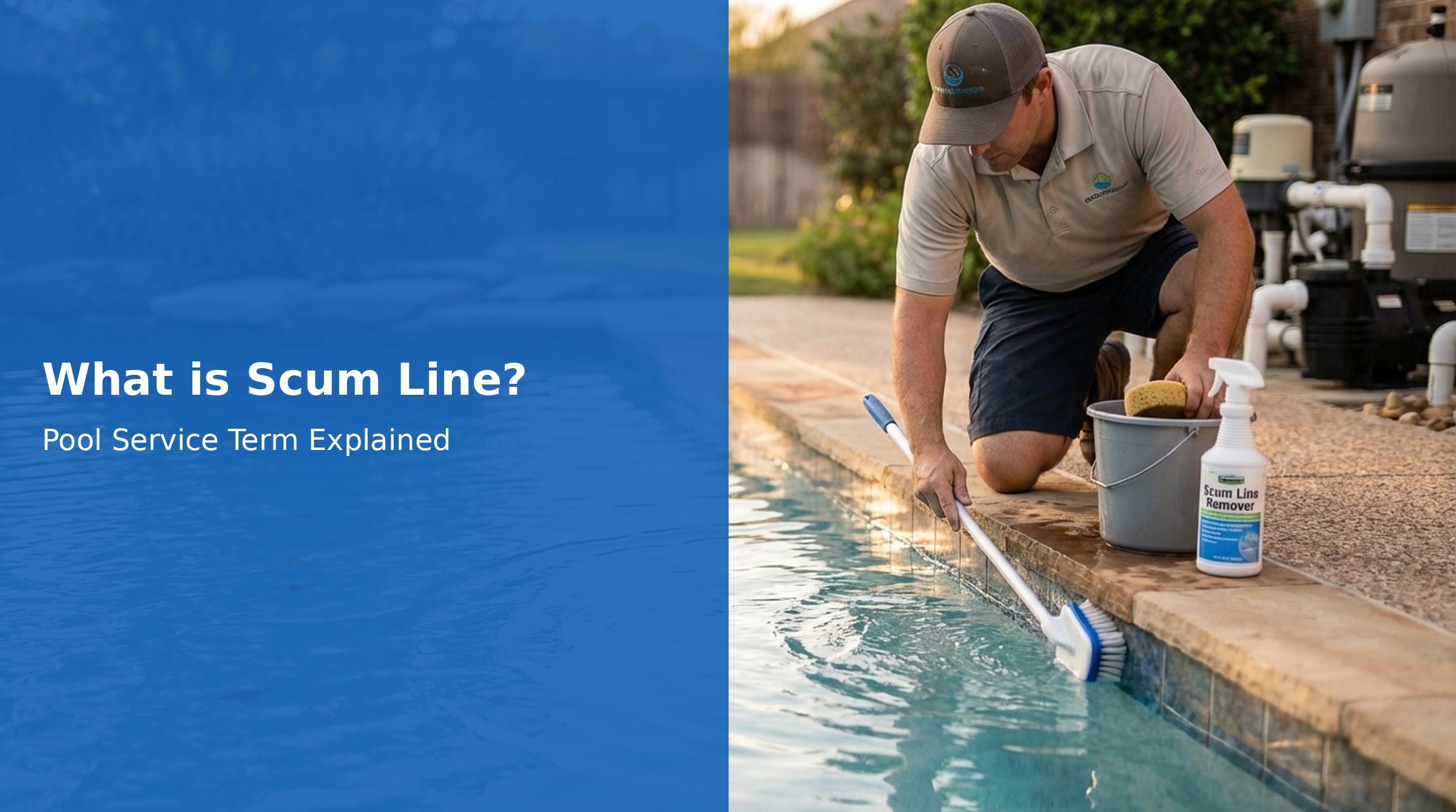
The scum line is one of the most visible indicators of pool maintenance quality, yet it's often underestimated as a simple cosmetic issue. For pool service professionals, understanding the scum line's formation, health implications, and proper removal techniques is crucial for maintaining client satisfaction and regulatory compliance. This waterline buildup can quickly transform from a minor aesthetic concern into a serious health hazard that attracts the attention of health department inspectors.
Key Takeaways
- Scum lines form from oils, lotions, dead skin, and organic contaminants that accumulate at the waterline
- Left untreated, scum lines become breeding grounds for bacteria and algae growth
- Health departments can issue violations for excessive scum line buildup
- Regular cleaning and proper water chemistry prevent scum line formation
- Commercial pools require more frequent attention due to higher bather loads
Understanding Scum Line Formation
A scum line develops when organic contaminants concentrate at the pool's waterline due to surface tension and water movement. As swimmers enter the pool, they introduce various substances including sunscreen, body oils, cosmetics, hair products, dead skin cells, and sweat. These materials, many of which are hydrophobic, naturally migrate to the water's surface where they accumulate along the pool's perimeter.
The physics behind scum line formation involves both surface tension and the constant motion of pool water. Surface agitation from filtration systems, wind, and swimmer activity pushes floating contaminants toward the pool walls, where they adhere and concentrate. Over time, these substances form a sticky, often discolored ring that becomes increasingly difficult to remove without proper intervention.
Common Contributors to Scum Lines
Pool service professionals should educate clients about the primary sources of scum line formation:
- Personal care products: Sunscreen, moisturizers, makeup, and hair styling products
- Body oils and perspiration: Natural human secretions that accumulate during swimming
- Environmental debris: Pollen, leaves, dust, and other airborne contaminants
- Pool chemicals: Certain additives can contribute to film formation when improperly balanced
- Equipment lubricants: Oils from pool equipment that may leak into the water
Health and Safety Implications
The scum line presents significant health risks that extend far beyond aesthetic concerns. This organic buildup creates an ideal environment for bacterial growth, including potentially harmful pathogens that can cause skin infections, respiratory issues, and gastrointestinal illnesses. The sticky nature of scum lines allows them to trap and concentrate microorganisms, effectively shielding them from sanitizing chemicals.
Algae growth often begins in scum line areas because the organic matter provides nutrients while the biofilm offers protection from chlorine and other sanitizers. Once established, these algae colonies can rapidly spread throughout the pool system, requiring extensive treatment and potentially forcing pool closures.
Regulatory Compliance Issues
Health departments across the country recognize scum lines as indicators of inadequate pool maintenance. Excessive buildup can result in health code violations, fines, and mandatory pool closures until the issue is resolved. Commercial pools face particular scrutiny, as health inspectors often use scum line presence as a quick assessment tool for overall pool sanitation.
Pool service professionals must understand that regulatory standards vary by jurisdiction, but most health codes require pools to be "free from objectionable matter" or maintained in a "clean and sanitary condition." A visible scum line typically fails these standards and can trigger more comprehensive inspections of water chemistry, filtration systems, and maintenance records.
Prevention Strategies
Preventing scum line formation is significantly more efficient and cost-effective than removing established buildup. A comprehensive prevention strategy involves multiple approaches working in coordination.
Water Chemistry Management
Proper water balance plays a crucial role in preventing scum line formation. Maintaining appropriate sanitizer levels helps break down organic contaminants before they can accumulate. Free chlorine levels should consistently remain within the recommended range of 1.0-3.0 ppm for residential pools and 2.0-4.0 ppm for commercial facilities.
pH levels significantly impact sanitizer effectiveness and should be maintained between 7.2-7.6. When pH rises above 7.8, chlorine effectiveness drops dramatically, allowing organic matter to accumulate more readily. Pool professionals should utilize chemical dosage calculators to ensure accurate chemical additions and maintain optimal water balance.
Enhanced Circulation and Filtration
Improving water circulation helps prevent contaminant accumulation at the waterline. Ensure skimmer baskets are cleaned regularly and that return jets are properly positioned to create surface agitation. Consider recommending additional circulation equipment for pools with heavy bather loads or frequent scum line issues.
Removal Techniques and Best Practices
When scum lines do develop, prompt removal prevents the buildup from becoming more problematic. The removal method depends on the severity and composition of the buildup.
Manual Cleaning Methods
For light scum lines, regular brushing with a pool brush and tile cleaner during routine maintenance visits often suffices. Apply the cleaner directly to the waterline area and scrub thoroughly, paying special attention to textured surfaces where buildup tends to adhere more strongly.
For more stubborn buildup, consider using specialized scum line cleaners or enzyme products designed to break down organic matter. These products work by dissolving the biofilm matrix that holds contaminants together, making removal significantly easier.
Chemical Treatment Options
Enzyme treatments can be highly effective for both prevention and removal of scum lines. These products break down organic contaminants at the molecular level, preventing them from forming sticky deposits. Regular enzyme treatments also help maintain overall water quality by reducing the organic load that sanitizers must address.
For severe cases, temporary pH adjustment can help. Raising pH to 7.8-8.0 for 24-48 hours while maintaining high chlorine levels can help break down organic deposits, though this should be followed by immediate rebalancing to optimal ranges using tools like the Langelier Saturation Index calculator to prevent scale formation.
Client Education and Communication
Educating clients about scum line prevention helps reduce service calls and maintenance issues. Encourage swimmers to shower before entering the pool, minimize the use of oils and lotions before swimming, and consider providing information about pool-safe sunscreen options.
For commercial clients, implement clear signage and facility policies that address bather preparation. Regular communication about the relationship between bather load, product use, and maintenance requirements helps set appropriate expectations for service frequency and costs.
Conclusion
The scum line represents more than a cosmetic concern—it's a critical indicator of pool sanitation that directly impacts swimmer health and regulatory compliance. Pool service professionals who understand the science behind scum line formation, implement effective prevention strategies, and respond quickly to buildup issues will provide superior service while protecting their clients from health risks and regulatory violations. By combining proper water chemistry management, regular cleaning protocols, and client education, professionals can effectively eliminate scum line problems and maintain pristine pool conditions. For additional technical terms and definitions, consult our comprehensive pool service terminology glossary to enhance your professional knowledge base.