
What Is a Pool Salt Cell?


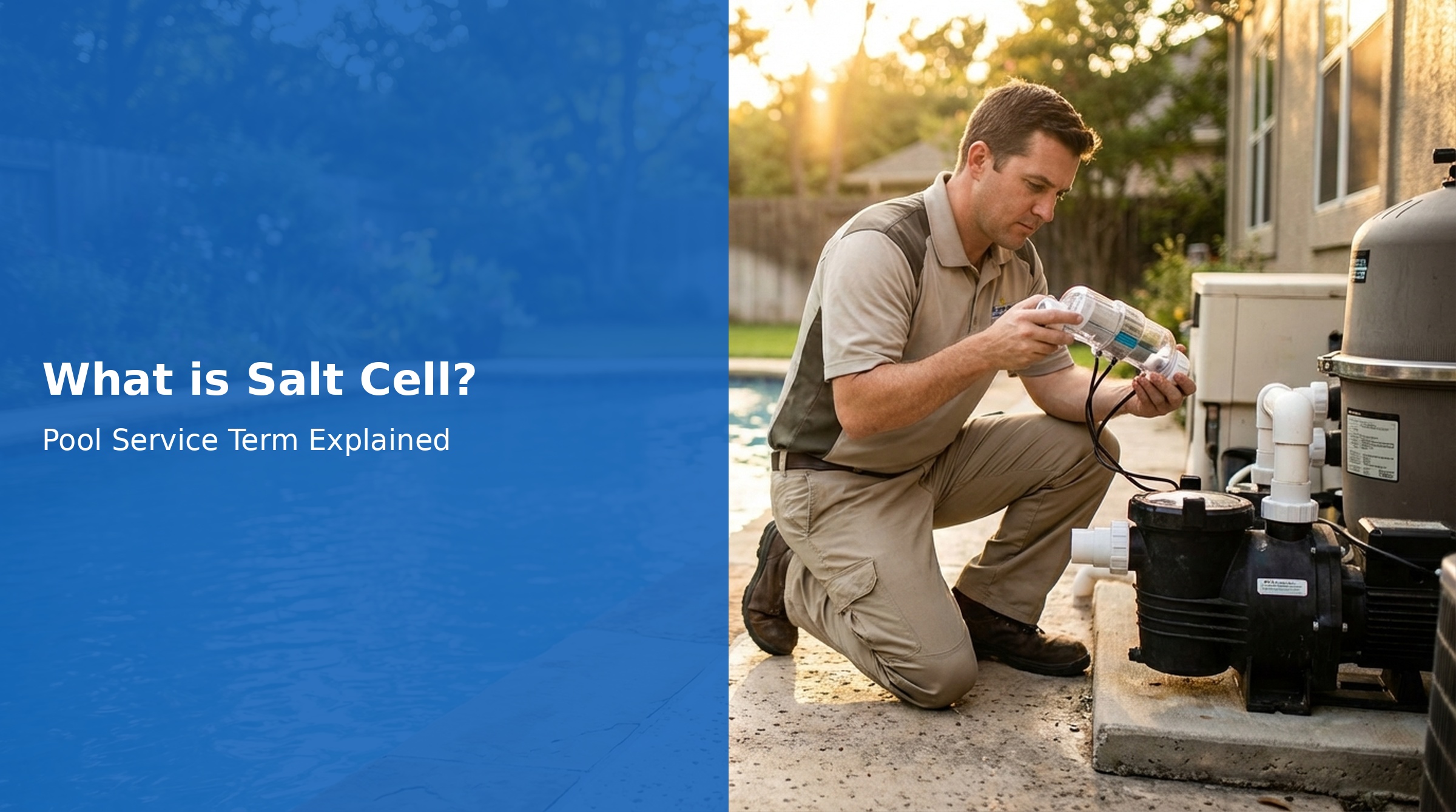
The salt cell is the heart of every saltwater chlorination system, quietly transforming dissolved salt into the chlorine that keeps pools crystal clear. For pool service professionals, understanding how these electrolytic cells function, when they fail, and how to maintain them properly is crucial for providing exceptional service to saltwater pool clients. This comprehensive guide explores everything you need to know about salt cells to diagnose issues, extend their lifespan, and keep your customers' pools operating at peak performance.
Key Takeaways
- Salt cells use electrolysis to convert dissolved salt into chlorine, typically lasting 3-7 years with proper maintenance
- Calcium buildup is the most common cause of salt cell failure and can be prevented with regular cleaning
- Proper water chemistry, especially calcium hardness and pH levels, dramatically extends salt cell life
- Warning signs of cell failure include low chlorine production, error codes, and visible calcium scale buildup
- Regular inspection and cleaning every 3 months can double the lifespan of most salt cells
What Is a Salt Cell and How Does It Work?
A salt cell, also known as an electrolytic cell or chlorine generator cell, is the component within a saltwater chlorination system that performs the actual conversion of salt into chlorine. The cell contains a series of metallic plates, typically made from titanium coated with precious metals like ruthenium or iridium, arranged in an alternating positive and negative configuration.
When saltwater passes through the cell and electrical current is applied, electrolysis occurs. This process splits the salt (sodium chloride) molecules, creating hypochlorous acid and sodium hypochlorite – the same sanitizing compounds found in traditional liquid chlorine. The beauty of this system lies in its cyclical nature: after the chlorine sanitizes the pool water, it eventually converts back to salt, ready to be processed again.
The Electrolysis Process
The electrolytic process requires three key elements: salt dissolved in water, electrical current, and the metallic plates within the cell. As water flows through the cell, the electrical current causes chloride ions to migrate to the positive plates (anodes) where they're oxidized into chlorine gas. This gas immediately dissolves into the water, forming the sanitizing compounds that keep pools clean.
Common Salt Cell Problems and Symptoms
Understanding the warning signs of salt cell issues allows pool professionals to address problems before they lead to complete system failure or unsanitary pool conditions.
Calcium Scale Buildup
The most frequent issue affecting salt cells is calcium carbonate scale formation on the plates. This occurs when calcium hardness levels are too high or pH consistently runs above 7.6. The electrolytic process naturally raises pH at the cell plates, and if the overall water chemistry isn't balanced, calcium will precipitate onto the metal surfaces. This buildup insulates the plates, reducing their efficiency and eventually preventing chlorine production entirely.
Low Chlorine Production
When clients complain about cloudy water, algae growth, or high chlorine demand despite a functioning salt system, the cell may be operating at reduced capacity. This often manifests gradually, making it easy to miss until problems become severe. Regular testing of free chlorine levels, combined with knowledge of the system's typical output, helps identify declining cell performance early.
Error Codes and System Alerts
Modern salt chlorination systems include diagnostic features that monitor cell performance. Common error codes include "Check Cell," "Low Salt," or "High Salt" messages. While some alerts indicate water chemistry issues, others point directly to cell problems such as damaged plates or electrical connection failures.
Maintenance and Cleaning Procedures
Proper maintenance significantly extends salt cell lifespan and ensures consistent chlorine production. Establishing a regular maintenance schedule protects your investment and prevents emergency service calls.
Regular Inspection Schedule
Monthly visual inspections should check for obvious scale buildup, damaged plates, or loose connections. Every three months, remove the cell for thorough cleaning and detailed examination. Look for white, chalky deposits on the plates, any warping or erosion of the metal surfaces, and proper gasket condition.
Cleaning Techniques
For routine cleaning, prepare a solution of one part muriatic acid to ten parts water in a plastic container large enough to submerge the cell. Always add acid to water, never the reverse. Soak the cell for 5-10 minutes until bubbling stops and scale dissolves. Rinse thoroughly with clean water before reinstalling. For heavy scale buildup, a stronger 4:1 water-to-acid ratio may be necessary, but use caution to avoid damaging the plates.
Alternative cleaning methods include commercial cell cleaning solutions or CLR-type products, though muriatic acid remains the most effective option for calcium removal.
Water Chemistry Impact on Salt Cell Performance
Maintaining proper water balance is crucial for salt cell longevity and optimal performance. The Langelier Saturation Index provides an excellent tool for ensuring water chemistry promotes cell health rather than scale formation.
Critical Parameters
Keep pH between 7.2-7.6 to minimize scale formation while maintaining sanitizer effectiveness. Calcium hardness should remain between 200-400 ppm – too low causes corrosion, while excessive levels promote scaling. Total alkalinity of 80-120 ppm provides proper pH buffering without contributing to scale issues.
Salt levels typically range from 2700-4500 ppm depending on the manufacturer, but maintaining consistent levels within the recommended range is more important than hitting exact targets. Use the chemical dosage calculator to determine precise adjustment amounts when rebalancing water chemistry.
When to Replace Salt Cells
Even with perfect maintenance, salt cells eventually wear out as the metallic coating erodes through normal electrolytic action. Most cells last 3-7 years depending on usage, maintenance quality, and water chemistry consistency.
Replacement Indicators
Replace cells when cleaning no longer restores adequate chlorine production, when plates show significant erosion or warping, or when the system consistently displays cell-related error codes despite proper water chemistry. Some manufacturers provide cell life indicators that track operating hours and alert when replacement time approaches.
Consider replacement when cleaning frequency increases beyond monthly intervals or when the cell requires increasingly stronger acid solutions to remove scale buildup.
Professional Service Tips
Educate clients about the importance of consistent water chemistry and regular professional maintenance. Many salt cell failures result from neglect rather than normal wear, making client education a valuable service differentiator.
Keep detailed service records including cleaning dates, scale severity, and chlorine output measurements. This documentation helps predict replacement timing and demonstrates the value of professional maintenance to clients.
For comprehensive understanding of saltwater system terminology and related components, reference our complete pool service terminology glossary.
Conclusion
Salt cells represent a significant investment for pool owners, but proper understanding and maintenance can maximize their lifespan and performance. By recognizing early warning signs, implementing regular cleaning schedules, and maintaining optimal water chemistry, pool service professionals can ensure these critical components deliver years of reliable service. The key lies in proactive maintenance rather than reactive repairs – an approach that benefits both service providers and their clients through reduced costs, fewer emergency calls, and consistently clean, safe swimming water.