
What Does Recirculate Mean on a Pool Filter?


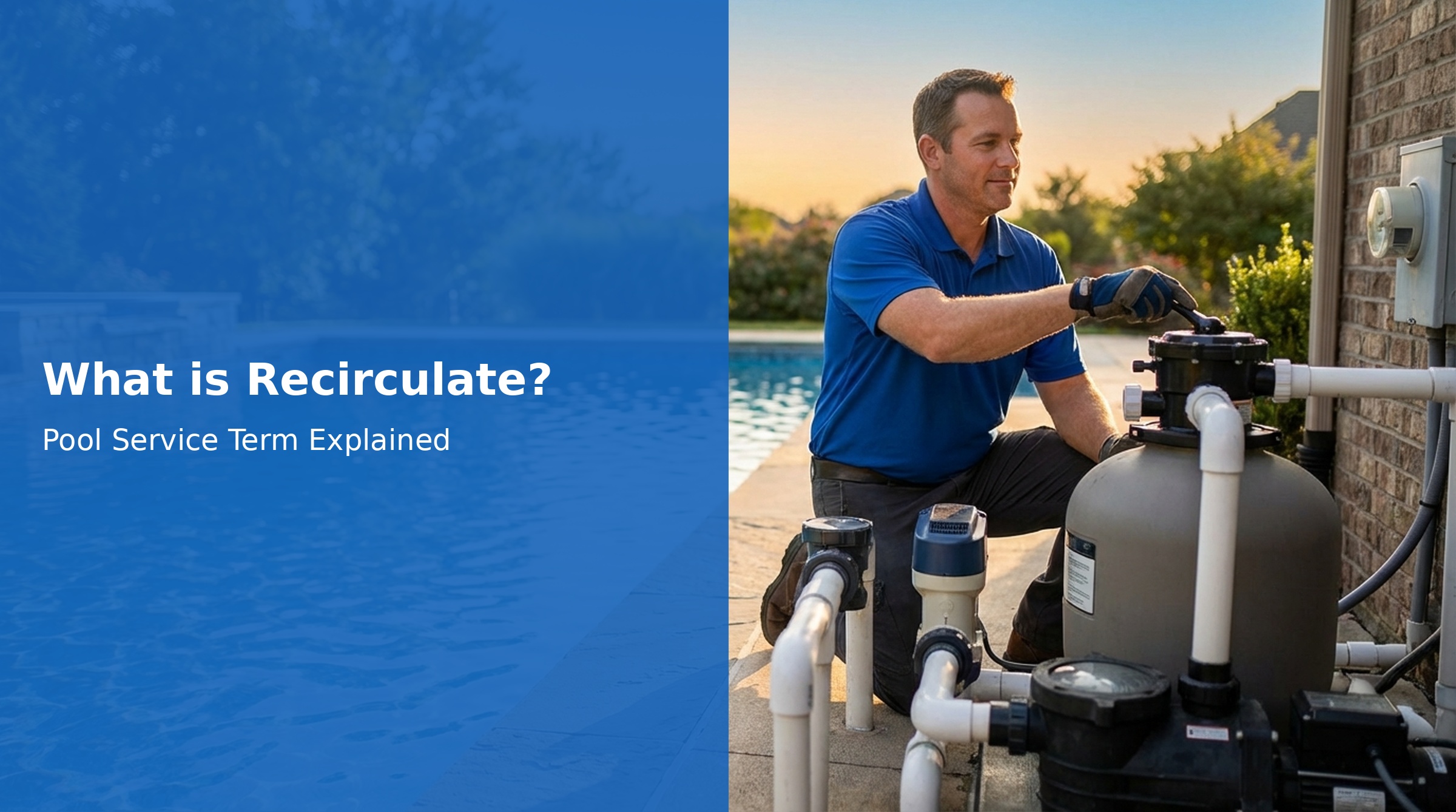
When managing a swimming pool's filtration system, understanding every valve position on your multiport valve is crucial for effective water treatment and system maintenance. The recirculate position is one of the most misunderstood yet valuable settings available to pool service professionals, offering a strategic way to circulate water while bypassing the filter media entirely.
Key Takeaways
- Recirculate bypasses the filter while maintaining water circulation through the pump and plumbing system
- Essential for adding specific chemicals like alum, flocculants, and certain clarifiers that can damage filter media
- Helps maintain water temperature and chemical distribution when filtration isn't desired
- Should never be used as a replacement for proper filtration during normal operation
- Requires careful timing and monitoring to achieve desired water treatment results
Understanding the Recirculate Function
The recirculate position on a multiport valve creates a closed loop that allows pool water to flow from the pool, through the pump, and directly back to the pool without passing through the filter tank. This seemingly simple function serves several critical purposes in professional pool maintenance that every service technician should master.
Unlike the standard filter position where water travels through sand, cartridge, or DE filter media, recirculate creates a direct pathway that maintains circulation while protecting the filter system from potentially harmful chemicals or treatments. This distinction is vital when performing specialized water treatments that require circulation without filtration.
How Recirculate Differs From Other Valve Positions
While the filter position forces water through cleaning media and waste sends water directly to the sewer or drain, recirculate occupies a unique middle ground. It maintains the beneficial aspects of water movement—preventing stagnation, maintaining temperature consistency, and ensuring chemical distribution—without subjecting the filter media to substances that could cause damage or premature clogging.
When to Use the Recirculate Position
Professional pool service requires strategic use of the recirculate function in several specific scenarios. Understanding these applications can significantly improve treatment outcomes and extend equipment life.
Chemical Applications Requiring Recirculate
Aluminum Sulfate (Alum) Treatments: When performing alum flocculation to remove phosphates or clear severely cloudy water, the recirculate position prevents the aluminum compounds from immediately binding to filter media. This allows the alum to properly react with contaminants in the water column before settling to the pool floor for vacuuming to waste.
Certain Clarifiers and Flocculants: Some clarifying agents work best when they can circulate freely without interference from filter media. These products need time to bind with suspended particles before the enlarged particles can be effectively filtered or settled.
pH and Alkalinity Adjustments: When making significant chemical adjustments, especially with muriatic acid or sodium carbonate, recirculate ensures even distribution without the acid potentially damaging certain filter media types. For precise chemical dosing calculations, utilize our chemical dosage calculator to determine exact amounts needed.
Equipment Protection Scenarios
Recirculate mode also serves as a protective measure when filter media is compromised or when performing maintenance that requires circulation without filtration. If DE filter grids are torn or sand filter media is channeling, temporary use of recirculate allows continued water movement while replacement parts are obtained.
Best Practices for Recirculate Operation
Effective use of the recirculate position requires attention to timing, monitoring, and proper sequencing with other maintenance activities.
Timing Considerations
Most chemical treatments requiring recirculate should run for 2-4 hours, depending on the specific product and pool size. This duration allows for adequate mixing and chemical reaction time without extending the non-filtration period unnecessarily. Always consult manufacturer instructions for specific timing requirements.
During recirculate operation, maintain regular pump operation schedules to ensure adequate circulation. The absence of filter resistance may slightly increase flow rate, but pump operation remains similar to normal filtration mode.
Monitoring Water Quality
Since filtration is bypassed during recirculate operation, maintain vigilant water quality monitoring. Check sanitizer levels more frequently, as the mechanical filtration that normally removes some contaminants is temporarily suspended. This is particularly important for maintaining proper water balance—consider using our Langelier Saturation Index calculator to ensure water remains balanced during treatment periods.
Common Mistakes and How to Avoid Them
Several common errors can reduce the effectiveness of recirculate treatments or cause equipment damage.
Extended Recirculate Periods
The most frequent mistake is leaving the valve in recirculate position for extended periods beyond the treatment requirements. Without filtration, debris accumulation accelerates, and water quality can deteriorate rapidly. Always return to filter position as soon as treatment objectives are achieved.
Inappropriate Chemical Selection
Not all pool chemicals require or benefit from recirculate application. Standard sanitizers, shock treatments, and most routine chemicals should be added during normal filtration. Reserve recirculate for specific treatments that explicitly require bypassing the filter media.
Inadequate Follow-up Procedures
After recirculate treatments, especially those involving flocculants or settling agents, proper follow-up is essential. This typically includes allowing settling time, vacuuming to waste, and thorough filter cleaning before returning to normal operation.
Integration with Professional Pool Service
Incorporating strategic recirculate use into regular service routes requires planning and client communication. Educate customers about the temporary nature of these treatments and the importance of not manually adjusting valve positions during treatment periods.
Document recirculate treatments in service logs, including chemicals used, duration, and follow-up procedures completed. This documentation proves valuable for troubleshooting recurring issues and optimizing treatment protocols over time.
For comprehensive understanding of pool service terminology and related concepts, reference our complete pool service terminology glossary to enhance your technical knowledge base.
Maximizing Treatment Effectiveness
The recirculate position represents a powerful tool in the pool service professional's arsenal when used correctly and strategically. By understanding when and how to bypass filtration while maintaining circulation, service technicians can achieve superior treatment results while protecting expensive filter media and equipment. Master this technique to enhance service quality, improve customer satisfaction, and demonstrate the technical expertise that sets professional pool service apart from basic maintenance approaches.