
What Is Pool Plaster?


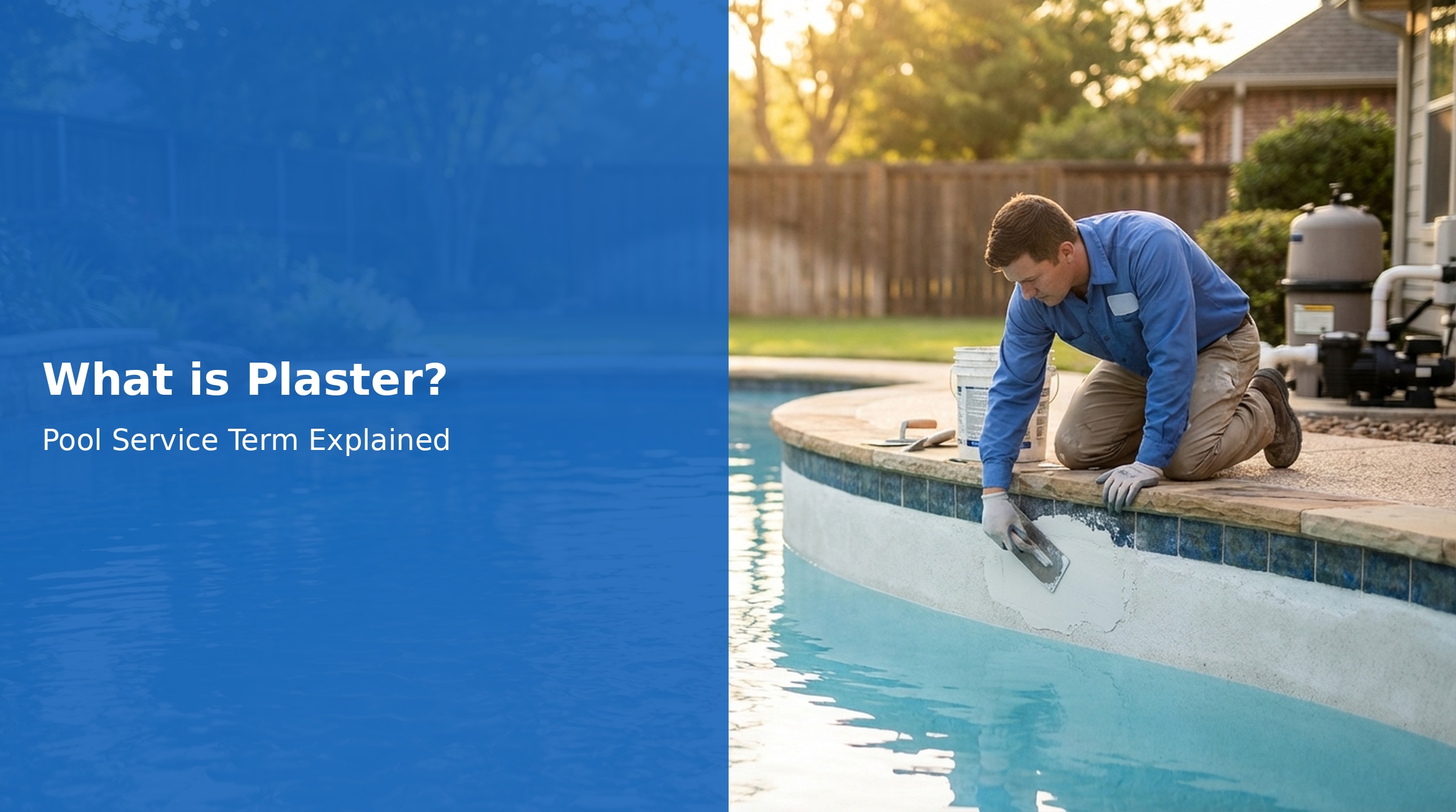
Pool plaster is the foundational finish that protects and beautifies concrete swimming pools, yet it remains one of the most misunderstood aspects of pool maintenance. As a pool service professional, your expertise in plaster care directly impacts customer satisfaction, service intervals, and long-term pool integrity. Understanding plaster composition, common problems, and preventive maintenance strategies will elevate your service quality and help you build stronger client relationships through educated recommendations.
Key Takeaways
- Pool plaster typically lasts 8-15 years with proper water chemistry maintenance
- Low pH (below 7.2) causes etching, while high pH promotes scaling and discoloration
- Metal staining and calcium buildup are preventable through balanced water chemistry
- Early identification of plaster issues saves customers thousands in premature resurfacing costs
- Proper startup procedures for new plaster are critical for longevity
Understanding Pool Plaster Composition and Function
Pool plaster serves as both a protective barrier and aesthetic finish for gunite and shotcrete pools. The traditional mix combines Portland cement, fine sand, and marble dust or other aggregate materials. This combination creates a smooth, waterproof surface that can withstand constant water exposure while providing an attractive finish.
The cement component provides structural integrity and adhesion to the underlying gunite shell. Sand adds bulk and workability during application, while marble dust contributes to the smooth finish and bright white appearance that pool owners desire. Some modern formulations incorporate pozzolanic materials like silica fume or fly ash to enhance durability and reduce porosity.
Types of Pool Plaster Finishes
White plaster remains the most common and cost-effective option, but pool service professionals should understand the full range of available finishes:
- Standard white plaster: Traditional cement, sand, and marble dust mixture
- Colored plaster: Incorporates pigments for blue, gray, or other hues
- Aggregate finishes: Contains exposed pebbles, quartz, or glass beads
- Polished finishes: Troweled smooth for a premium appearance
Common Plaster Problems and Their Causes
Recognizing plaster deterioration early allows you to recommend corrective actions before costly resurfacing becomes necessary. The most frequent issues stem from improper water chemistry, but understanding the underlying mechanisms helps you provide better service.
Etching and Surface Roughness
Etching occurs when acidic conditions dissolve the cement matrix, leaving behind a rough, pitted surface. This happens when pH drops below 7.2 or when total alkalinity falls below 80 ppm. The Langelier Saturation Index provides a scientific approach to preventing etching by maintaining water balance.
Early signs include a rough texture when running your hand along the pool wall, increased difficulty in brushing, and a chalky residue on pool equipment. Left unchecked, etching progresses from surface roughness to visible pitting and eventual structural compromise.
Staining and Discoloration
Metal staining presents as brown, green, or purple discoloration that typically appears first in areas with poor circulation. Iron creates brown stains, copper produces green or blue discoloration, and manganese results in purple or black marks. These metals enter the pool through source water, corroded equipment, or improper chemical additions.
Prevention focuses on maintaining proper water balance and using sequestering agents when metal content is detected. Regular testing for metals, especially in areas with well water or older plumbing systems, helps identify problems before visible staining occurs.
Scaling and Calcium Buildup
Calcium scale forms when water becomes oversaturated with calcium carbonate, typically due to high pH, elevated calcium hardness, or excessive total alkalinity. Scale appears as white, chalky deposits that are difficult to remove and create rough surfaces that harbor algae and bacteria.
Using a chemical dosage calculator helps maintain proper alkalinity and pH levels that prevent scale formation while protecting the plaster surface.
Preventive Maintenance Strategies
Proactive plaster care extends surface life significantly and reduces customer complaints. Your maintenance routine should address both chemical balance and physical care.
Water Chemistry Management
Maintaining the LSI between -0.3 and +0.3 provides optimal plaster protection. This requires balancing pH (7.2-7.6), total alkalinity (80-120 ppm), and calcium hardness (150-300 ppm) while considering temperature and total dissolved solids.
Weekly testing and adjustment prevent the dramatic swings that damage plaster surfaces. Pay particular attention to pH stability, as this has the most immediate impact on plaster integrity. Consider recommending CO2 systems for pools that consistently struggle with high pH.
Physical Maintenance
Regular brushing removes biofilm and prevents staining agents from bonding with the plaster surface. Use appropriate brush types - stainless steel bristles for severe algae, nylon for routine maintenance. Focus on areas with poor circulation, including steps, benches, and behind ladders.
Avoid aggressive cleaning techniques that remove plaster material. Pumice stones and muriatic acid washes should be reserved for specific staining issues and applied judiciously.
New Plaster Startup Procedures
The first 30 days after plaster installation determine long-term surface quality. Improper startup procedures cause permanent damage that affects appearance and durability throughout the plaster's lifespan.
Begin by brushing daily to remove loose material and prevent mottling. Maintain pH between 7.2-7.6 and avoid shocking during the first week. Gradually introduce balancing chemicals rather than making large adjustments that stress the curing plaster.
Monitor alkalinity closely, as fresh plaster tends to raise pH. Be prepared to add acid regularly during the first month, but do so gradually to avoid etching the still-curing surface.
When to Recommend Plaster Replacement
Knowing when plaster has reached the end of its useful life protects your reputation and helps customers budget for major repairs. Key indicators include:
- Widespread etching that affects more than 20% of the surface area
- Structural cracks that allow water penetration to the gunite shell
- Permanent staining that cannot be removed through normal treatment
- Rough texture that makes the pool uncomfortable for swimmers
- Frequent algae problems due to surface porosity
Professional Recommendations for Plaster Care
As a pool service professional, your expertise in plaster maintenance differentiates you from competitors and builds customer trust. Educate clients about the relationship between water chemistry and surface longevity, providing regular updates on plaster condition during service visits.
Document plaster issues with photos and measurements to track deterioration over time. This information helps customers understand the need for chemical balance and supports recommendations for resurfacing when appropriate.
Consider expanding your knowledge of plaster-related terms and concepts by consulting a comprehensive pool service terminology glossary to ensure accurate communication with customers and suppliers.
Understanding pool plaster mechanics, problems, and solutions positions you as a trusted advisor who can extend surface life through proper maintenance while recognizing when replacement becomes necessary. This expertise translates directly into customer satisfaction, reduced service calls, and opportunities for additional revenue through informed recommendations and premium service offerings.