What Is Muriatic Acid for Pools?


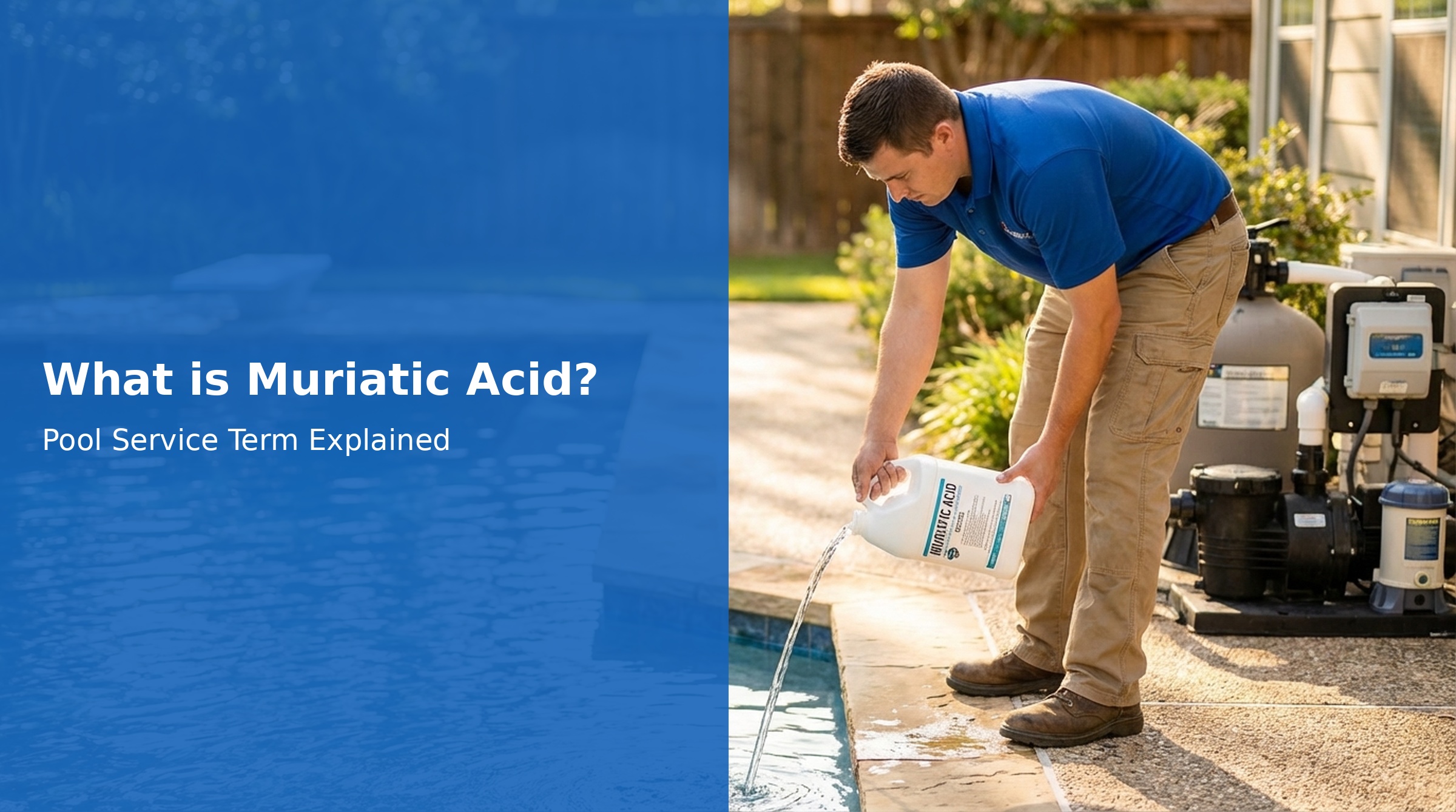
Muriatic acid stands as one of the most powerful and essential chemicals in every pool professional's arsenal. This highly effective pH reducer and surface cleaner can transform problematic water chemistry and remove stubborn stains, but it demands respect and proper handling. Understanding when, why, and how to use muriatic acid safely separates experienced pool technicians from novices and ensures both optimal water quality and customer safety.
Key Takeaways
- Muriatic acid is hydrochloric acid diluted to 20-32% concentration for pool use
- Primary uses include lowering pH, reducing total alkalinity, and cleaning calcium deposits
- Always add acid to water, never water to acid, to prevent dangerous reactions
- Proper PPE including gloves, goggles, and respirator protection is mandatory
- Regular use requires careful monitoring to prevent over-acidification and equipment damage
What Is Muriatic Acid?
Muriatic acid, also known as hydrochloric acid (HCl), is a strong mineral acid commonly used in pool maintenance. The pool-grade version typically contains 20-32% hydrochloric acid diluted in water, making it safer to handle than industrial-strength concentrations while maintaining its effectiveness for pool applications.
This clear to slightly yellow liquid has a sharp, pungent odor and produces visible fumes when exposed to air. The acid works by releasing hydrogen ions when dissolved in water, which directly lowers pH levels and neutralizes alkaline substances. Its molecular structure allows it to break down mineral deposits, organic contaminants, and adjust water chemistry parameters that other chemicals cannot effectively address.
Primary Applications in Pool Service
pH Reduction
The most common application of muriatic acid involves lowering pH levels in swimming pools. When pH climbs above 7.6, chlorine efficiency decreases dramatically, leading to cloudy water, algae growth, and bather discomfort. Muriatic acid provides rapid pH adjustment, typically lowering levels by 0.2-0.4 points per quart in a 20,000-gallon pool.
Unlike dry acid (sodium bisulfate), muriatic acid doesn't add dissolved solids to the water, making it ideal for pools with high total dissolved solids (TDS) levels. Professional pool technicians often prefer muriatic acid for its predictable results and cost-effectiveness in larger commercial applications.
Total Alkalinity Management
Muriatic acid serves as the primary tool for reducing total alkalinity when levels exceed 120-150 ppm. High alkalinity causes pH to resist change and drift upward consistently, creating ongoing water balance issues. The acid neutralizes bicarbonate and carbonate ions responsible for alkalinity, allowing for better pH stability.
When using muriatic acid specifically for alkalinity reduction, pour the acid into the deepest part of the pool with the circulation system running. This technique, known as "slug dosing," maximizes alkalinity reduction while minimizing pH impact. For precise calculations, utilize our chemical dosage calculator to determine exact quantities needed.
Surface Cleaning and Stain Removal
Calcium carbonate deposits, mineral stains, and algae buildup on pool surfaces respond well to muriatic acid treatment. The acid dissolves calcium deposits on tile lines, pool walls, and equipment surfaces where mechanical cleaning proves insufficient. For severe calcium buildup, a 1:10 acid-to-water solution applied with proper ventilation and safety equipment effectively restores surfaces.
Acid washing represents the most intensive application, involving draining the pool and applying diluted muriatic acid to remove embedded stains and resurface plaster. This procedure requires extensive experience and should only be performed by trained professionals due to safety risks and potential surface damage.
Safety Protocols and Best Practices
Personal Protective Equipment
Working with muriatic acid demands comprehensive safety measures. Essential PPE includes chemical-resistant gloves, safety goggles or face shield, long-sleeved clothing, and closed-toe shoes. In enclosed areas or when mixing large quantities, respiratory protection becomes necessary due to hydrogen chloride gas production.
Always work in well-ventilated areas and avoid handling acid on windy days when fumes might blow back toward you or pool equipment. Keep a water source nearby for emergency flushing and ensure baking soda is available to neutralize spills.
Proper Handling Techniques
The golden rule "add acid to water, never water to acid" prevents violent exothermic reactions that can cause dangerous splashing and burns. When diluting acid for surface cleaning, use a non-metallic container and add acid slowly to pre-measured water while stirring gently.
Store muriatic acid in original containers away from chlorine products, metals, and organic materials. The acid reacts with chlorine to produce deadly chlorine gas and corrodes metal surfaces rapidly. Maintain storage temperatures below 85°F and ensure containers remain tightly sealed when not in use.
Water Chemistry Considerations
Understanding how muriatic acid affects overall water balance prevents overcorrection and equipment damage. The Langelier Saturation Index (LSI) helps predict how acid additions will impact water's corrosive or scaling tendencies. Use our LSI calculator to evaluate water balance before making significant chemical adjustments.
Frequent acid additions may indicate underlying issues such as high aeration, excessive use of calcium hypochlorite, or inadequate cyanuric acid levels. Address root causes rather than continuously treating symptoms to achieve stable water chemistry.
Common Mistakes to Avoid
Many pool service technicians make critical errors when using muriatic acid. Adding too much acid at once can drop pH below 7.0, potentially damaging pool surfaces and equipment while creating dangerous conditions for swimmers. Always test water 4-6 hours after acid addition before making further adjustments.
Pouring acid directly onto pool surfaces or adding it to skimmers causes localized high concentrations that etch plaster and damage equipment. Instead, distribute acid across the deepest part of the pool with circulation running to ensure proper dilution and mixing.
Ignoring weather conditions leads to safety hazards and ineffective treatment. Wind can blow acid fumes toward you or pool equipment, while rain dilutes the acid and affects calculations. Plan acid treatments for calm, dry conditions when possible.
Environmental and Regulatory Considerations
Proper disposal of muriatic acid and contaminated materials follows local environmental regulations. Never pour excess acid down drains or onto landscaping, as it kills vegetation and contaminates groundwater. Contact local hazardous waste facilities for disposal options when replacing old inventory.
Some areas require licensing or certification for purchasing and using muriatic acid in commercial applications. Stay current with local regulations and maintain proper documentation for chemical purchases and usage records.
Conclusion
Mastering muriatic acid use elevates pool service quality while maintaining safety standards essential for professional operations. This powerful chemical solves numerous water chemistry challenges when applied correctly, but demands respect and proper technique to prevent accidents and equipment damage. Regular training on safety protocols, proper storage, and application methods ensures both technician safety and optimal pool water quality. For comprehensive information on pool chemicals and terminology, consult our pool service terminology glossary to enhance your professional knowledge base.