
What Is a Pool Heater Heat Exchanger?


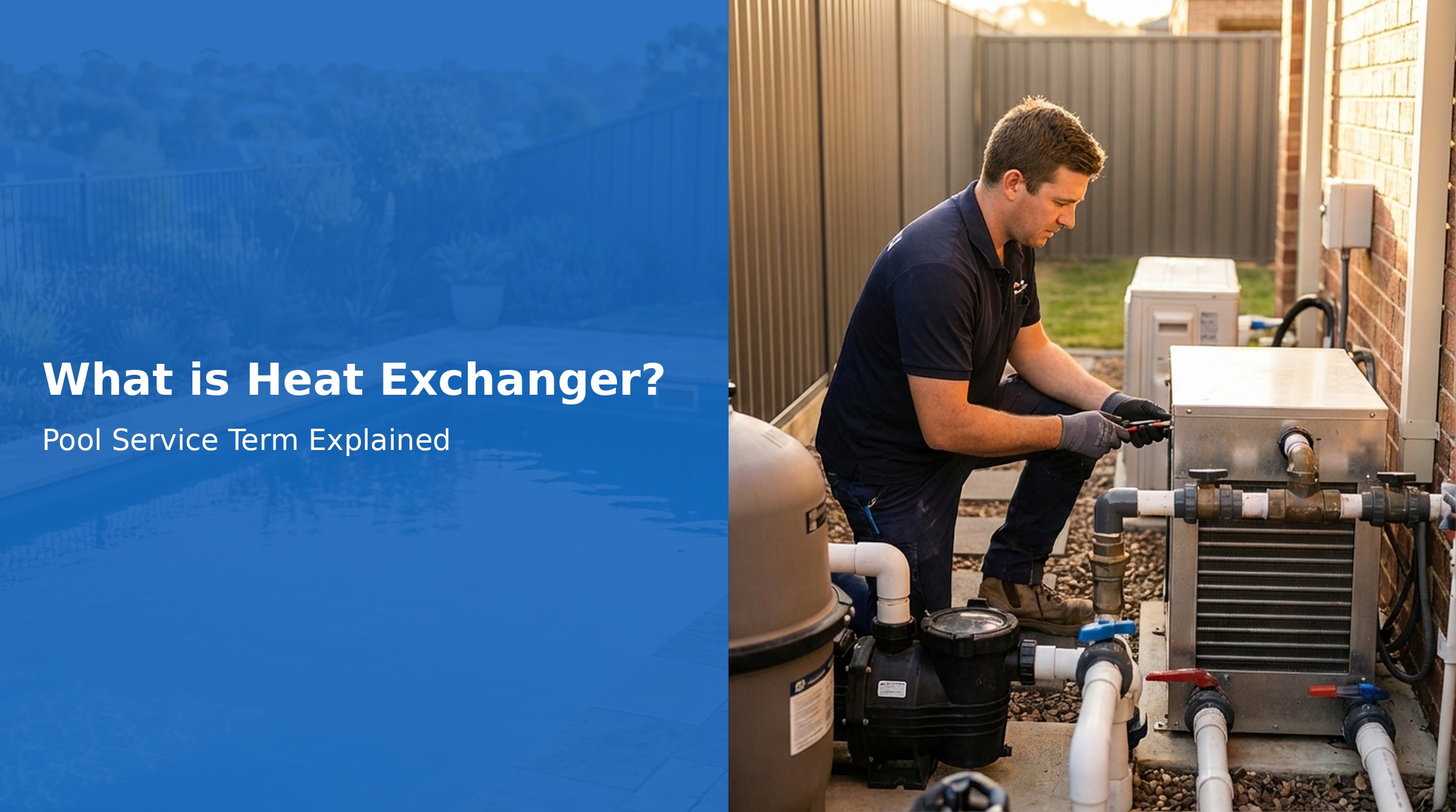
When pool heaters malfunction, the heat exchanger is often the culprit—and understanding this critical component can mean the difference between a simple repair and a costly replacement. As the heart of any pool heating system, the heat exchanger is where the magic happens: converting gas flame or electric resistance into the warm water your clients demand. However, it's also one of the most vulnerable components in pool equipment, susceptible to corrosion, scaling, and costly failures that can sideline a pool for weeks.
Key Takeaways
- Heat exchangers transfer heat from the energy source to pool water through metal tubing, typically copper
- Low pH and alkalinity are the primary causes of heat exchanger corrosion and failure
- Copper leaks manifest as elevated copper levels in water, often causing green staining
- Proper water chemistry maintenance is the best prevention against heat exchanger damage
- Regular inspection and testing can identify problems before catastrophic failure occurs
Understanding Heat Exchanger Function and Design
A pool heat exchanger is essentially a sophisticated heat transfer device that moves thermal energy from a heat source—whether gas combustion, electric elements, or heat pump refrigerant—into the pool water. The design typically consists of a series of metal tubes or coils through which pool water flows, surrounded by the heat source.
In gas heaters, the heat exchanger sits above the burner assembly, where hot combustion gases rise and transfer their heat to the water-filled tubes. Heat pump systems use a different approach, with refrigerant coils transferring heat to the water-filled exchanger. Regardless of the heating method, the fundamental principle remains the same: maximizing surface area contact between the heat source and pool water for efficient energy transfer.
Material Composition and Vulnerability
Most heat exchangers are constructed from copper due to its excellent thermal conductivity properties. However, this material choice creates inherent vulnerabilities. Copper is highly reactive to acidic conditions, making it susceptible to corrosion when pool water chemistry falls out of balance. Some newer units feature cupro-nickel alloys or other materials designed to resist corrosion, but copper remains the industry standard.
The Chemistry Behind Heat Exchanger Failure
Understanding the relationship between water chemistry and heat exchanger longevity is crucial for pool service professionals. When pH drops below 7.2 or total alkalinity falls under 80 ppm, the water becomes corrosive, actively dissolving copper from the heat exchanger tubes.
This corrosion process follows a predictable pattern. Initially, microscopic amounts of copper dissolve into the water. As the process continues, pin-hole leaks develop, eventually progressing to larger ruptures that render the heat exchanger inoperable. The dissolved copper doesn't simply disappear—it circulates through the pool system, often precipitating out as green stains on pool surfaces or causing water discoloration.
Identifying Copper-Related Problems
Elevated copper levels in pool water serve as an early warning system for heat exchanger problems. Copper concentrations above 0.2 ppm indicate potential issues, while levels exceeding 1.0 ppm suggest active corrosion. Regular copper testing should be part of your routine service protocol, especially for pools with gas heaters.
Visual indicators include green water discoloration, particularly after shock treatments, and green or black staining on pool surfaces, especially around return fittings. These symptoms often appear before physical leaks become apparent, providing an opportunity for preventive intervention.
Preventive Maintenance Strategies
Preventing heat exchanger failure requires a proactive approach centered on water chemistry management. Maintaining pH between 7.4-7.6 and total alkalinity between 100-120 ppm creates an environment that minimizes copper corrosion. Use our chemical dosage calculator to ensure accurate chemical adjustments that protect your clients' equipment investments.
Water Balance and LSI Management
The Langelier Saturation Index (LSI) provides additional insight into water corrosivity. Negative LSI values indicate corrosive water that will aggressively attack copper components. Calculating and maintaining proper LSI values using our LSI calculator helps optimize conditions for heat exchanger longevity.
Regular water testing should include copper levels, especially during the first few months after heater installation or after periods of poor water chemistry. Weekly copper testing during the swimming season provides early detection of developing problems.
Diagnostic Procedures and Troubleshooting
When heat exchanger problems are suspected, systematic diagnosis prevents unnecessary repairs and ensures accurate problem identification. Start with visual inspection of the heat exchanger housing for obvious leaks, corrosion, or mineral buildup.
Water testing provides crucial diagnostic information. Elevated copper levels combined with heating inefficiency often indicate partial heat exchanger failure. Temperature differential testing—measuring water temperature entering versus exiting the heater—helps quantify heat transfer efficiency loss.
Physical Inspection Techniques
Remove the heater's top panel to inspect the heat exchanger directly. Look for white or green corrosion deposits, which indicate copper oxidation. Small water leaks may only be visible when the heater is operating under pressure, so test with the system running when possible.
Scale buildup appears as white, chalky deposits on the exchanger tubes and reduces heat transfer efficiency. While scale can often be cleaned, extensive buildup may indicate chronic water balance problems that could have caused underlying copper damage.
Repair Versus Replacement Decisions
Heat exchanger repairs are often economically challenging due to labor costs and limited repairability. Small pin-hole leaks can sometimes be temporarily sealed, but these repairs rarely provide long-term solutions. The decision between repair and replacement typically depends on the extent of damage, heater age, and cost-benefit analysis.
When multiple tubes show corrosion or when copper levels remain elevated despite water chemistry correction, replacement usually represents the most cost-effective long-term solution. Factor in labor costs, warranty considerations, and the likelihood of additional failures when advising clients on repair versus replacement decisions.
Client Education and Communication
Educating clients about heat exchanger vulnerability helps prevent future problems and demonstrates your expertise. Explain how poor water chemistry directly translates to expensive equipment damage, emphasizing that proper chemical maintenance is far less costly than premature equipment replacement.
Document water chemistry readings and copper levels to show clients the progression of problems over time. This data-driven approach helps justify recommended chemical adjustments and reinforces the importance of regular professional service.
Conclusion
Heat exchanger maintenance represents a critical aspect of professional pool service that directly impacts client satisfaction and equipment longevity. By understanding the relationship between water chemistry and heat exchanger performance, implementing preventive maintenance protocols, and educating clients about proper care, service professionals can significantly reduce equipment failures and associated costs. Regular monitoring, proper chemical balance, and early problem detection remain the most effective strategies for protecting these vital heating system components. For additional technical terminology and definitions, reference our comprehensive pool service terminology glossary to enhance your professional knowledge base.