
What Does Floater Mean in Pool Service? SLANG


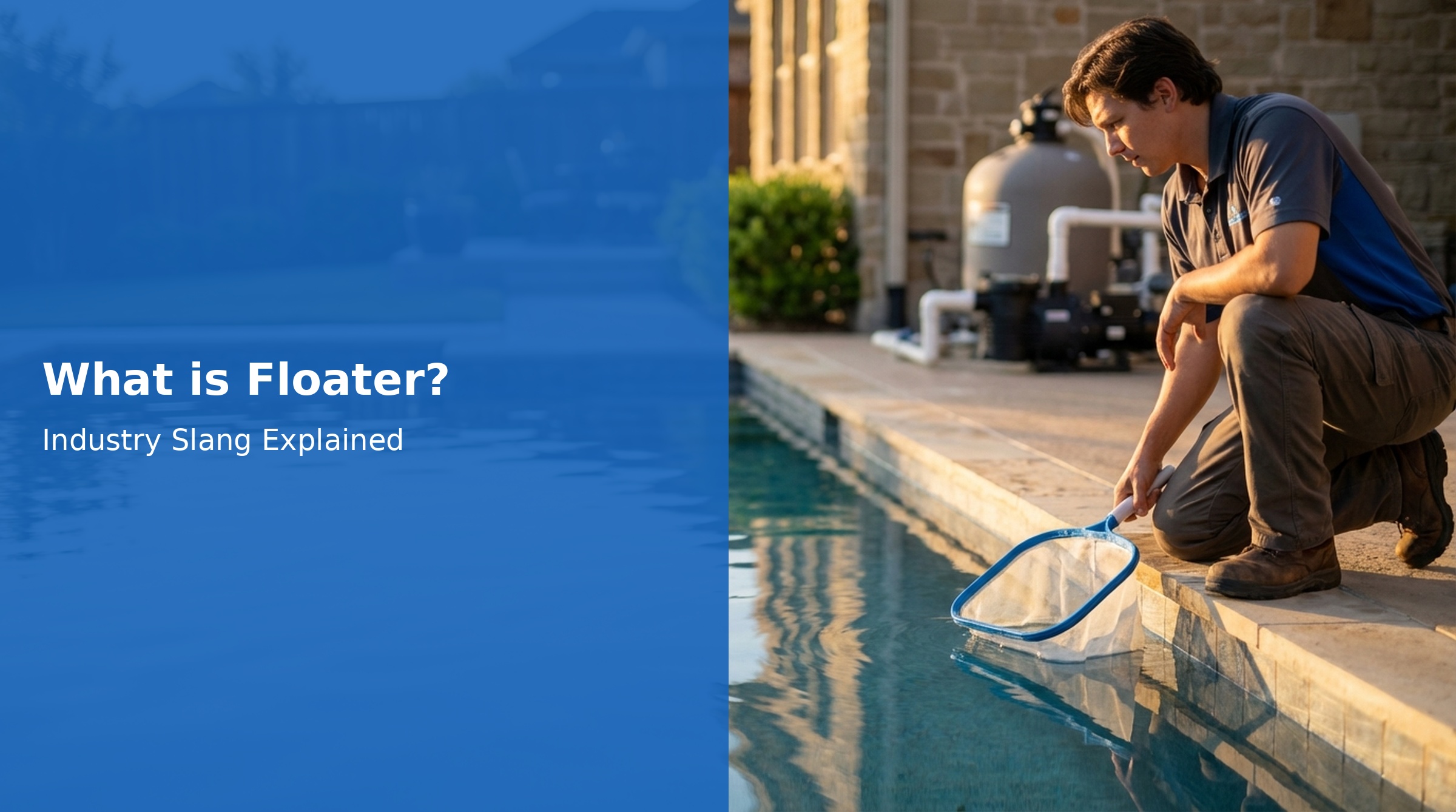
In the pool service industry, few terms carry as much immediate urgency as "floater." This piece of industry slang describes two distinctly different situations that every pool technician will encounter: fecal incidents and floating chlorine dispensers. While vastly different in nature, both scenarios require prompt attention and proper handling to maintain pool safety and water quality. Understanding the nuances of each type of floater situation is crucial for providing professional pool service and ensuring swimmer health.
Key Takeaways
- "Floater" refers to either solid fecal matter in the pool or floating chlorine tablet dispensers
- Fecal incidents require immediate pool closure and specific remediation protocols
- Floating chlorine dispensers need regular maintenance and proper positioning for effectiveness
- Both situations impact water chemistry and require appropriate chemical adjustments
- Clear communication with clients about floater incidents is essential for professional service
Understanding the Dual Meaning of "Floater"
The term "floater" in pool service terminology encompasses two completely different scenarios, each requiring distinct approaches and protocols. The first and more urgent meaning refers to solid fecal matter that has contaminated the pool water. The second refers to floating chlorine dispensers that slowly release sanitizing tablets into the water. While these definitions couldn't be more different, both situations significantly impact pool operations and water quality management.
Pool service professionals must be prepared to handle both types of floater incidents with equal professionalism and technical expertise. The key lies in understanding the specific protocols, health implications, and remediation steps required for each scenario.
Fecal Incident Floaters: Emergency Response Protocol
Immediate Action Steps
When encountering a solid fecal incident floater, immediate action is critical. Unlike diarrhea incidents, solid waste typically contains lower levels of pathogenic organisms, but still poses significant health risks that require prompt remediation. The first step involves immediately closing the pool to prevent further contamination and swimmer exposure.
Remove the solid waste using a net or scoop, ensuring you don't break it apart during the process. Dispose of the contaminated equipment or thoroughly disinfect it according to CDC guidelines. Double-bag the waste material and dispose of it in accordance with local health regulations.
Water Treatment and Chemical Adjustments
Following waste removal, the pool requires specific chemical treatment to eliminate potential pathogens. Raise the free chlorine level to 2 ppm and maintain the pH between 7.2-7.5 for optimal disinfection efficiency. The water must circulate for 30 minutes before the pool can safely reopen to swimmers.
During this process, monitor your chemical dosage calculations carefully to ensure proper sanitizer levels without creating unsafe swimming conditions. Document the incident, treatment steps, and chemical adjustments for your service records and client communication.
Client Communication and Documentation
Professional handling of fecal incident floaters extends beyond technical remediation to include clear, sensitive communication with clients. Explain the situation factually, outline the steps taken to resolve it, and provide reassurance about the thoroughness of the remediation process. Many pool owners feel embarrassed about these incidents, so maintaining a professional, matter-of-fact approach helps preserve the client relationship.
Floating Chlorine Dispensers: Maintenance and Optimization
Types and Functionality
Floating chlorine dispensers represent the more routine meaning of "floater" in pool service. These devices slowly dissolve chlorine tablets, providing continuous sanitization as they drift around the pool. Common types include adjustable-rate floaters, weighted dispensers, and combination units that also hold algaecide or pH adjustment tablets.
The effectiveness of floating dispensers depends on proper tablet selection, adjustment settings, and strategic placement within the pool. Trichlor tablets are most commonly used, though they contribute to cyanuric acid levels that require monitoring through stabilizer calculations.
Positioning and Circulation Considerations
Proper floater positioning maximizes chlorine distribution while minimizing potential equipment damage or surface bleaching. Position floaters away from pool surfaces, automatic cleaners, and areas where swimmers typically gather. The dispenser should move freely with water circulation to ensure even chemical distribution throughout the pool.
Monitor water flow patterns and adjust floater placement based on your pool's specific circulation characteristics. Some pools benefit from tethering floaters to prevent them from getting trapped in corners or against walls where chlorine concentration could damage surfaces.
Refilling and Adjustment Protocols
Regular floater maintenance involves monitoring tablet consumption rates, adjusting dispensing settings based on bather load and weather conditions, and ensuring proper chemical balance. Hot weather and heavy use typically require increased chlorine output, while cooler periods may necessitate reduced dispensing rates.
Keep detailed records of refill frequencies and tablet consumption patterns to optimize dosing schedules and identify trends that might indicate changing pool conditions or equipment issues.
Chemical Balance Considerations
Both types of floater situations impact overall water chemistry, though in different ways. Fecal incidents temporarily consume available chlorine through oxidation demand, while floating dispensers contribute ongoing sanitizer levels and affect pH balance. Understanding these impacts helps maintain optimal water conditions and swimmer comfort.
Regular testing becomes especially important when managing floater-related chemical changes. Use comprehensive water analysis to track how both incident remediation and dispenser operation affect your overall chemical program. Consider water balance calculations to ensure chemical adjustments don't create scaling or corrosion issues.
Professional Best Practices
Successful floater management requires preparation, proper equipment, and established protocols. Maintain well-stocked service vehicles with appropriate removal tools, disinfectants, and replacement dispensers. Develop standardized procedures for both incident types to ensure consistent, professional responses regardless of which technician encounters the situation.
Training staff on proper communication techniques helps maintain client relationships while addressing potentially embarrassing or concerning situations. Role-playing exercises can help technicians develop confidence in handling difficult conversations about pool contamination incidents.
Conclusion
Mastering both meanings of "floater" in pool service terminology demonstrates professional competence and preparedness for the full range of situations encountered in pool maintenance. Whether responding to contamination emergencies or optimizing floating chlorine systems, understanding proper protocols, chemical implications, and communication strategies sets professional pool technicians apart from amateur operators. By maintaining high standards in both technical execution and client communication, pool service professionals can handle any floater situation with confidence and expertise.
For additional pool service terminology and technical guidance, consult our comprehensive pool service terminology glossary to expand your professional vocabulary and technical knowledge.