
What Is a DPD Pool Water Test?


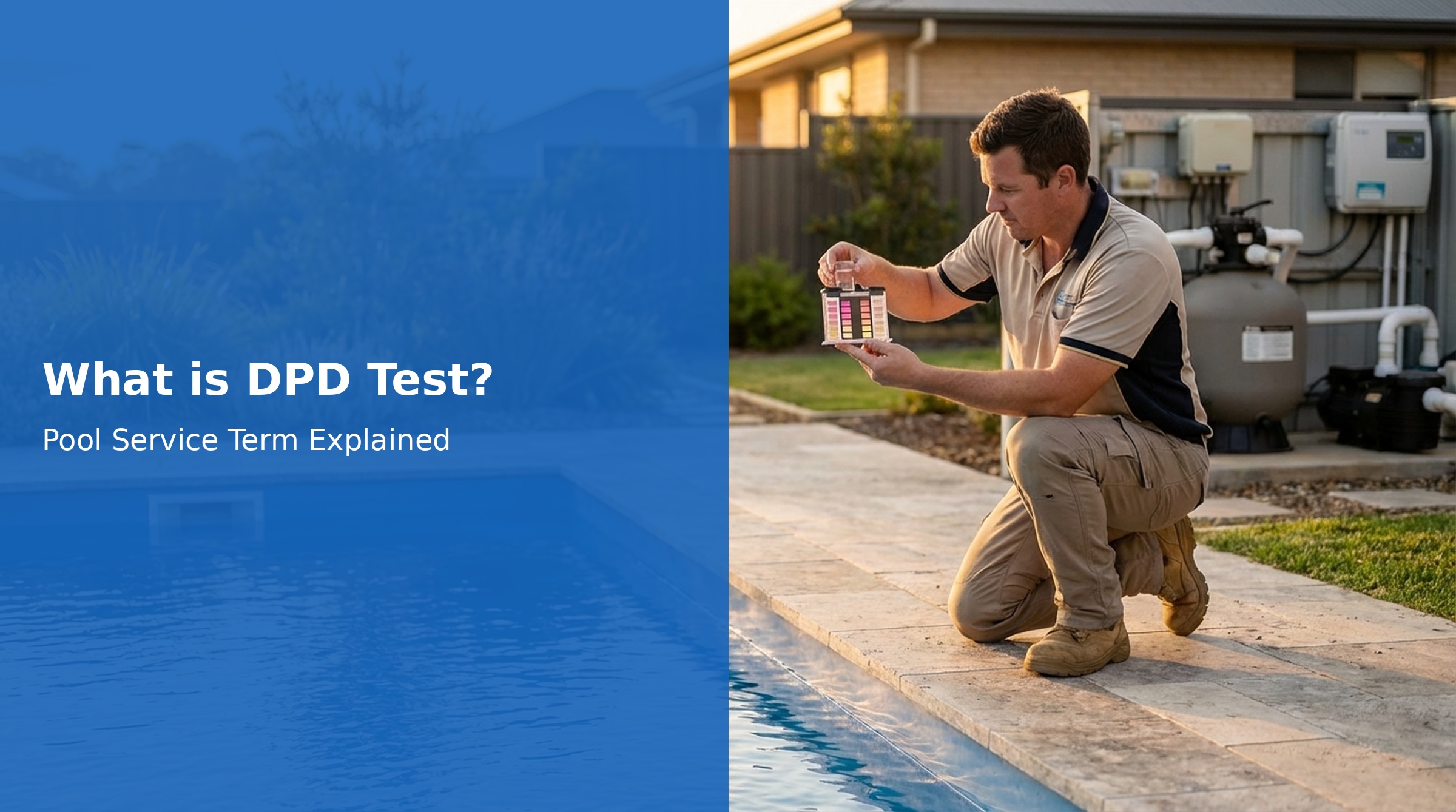
The DPD (N,N-diethyl-p-phenylenediamine) test stands as the gold standard for chlorine measurement in professional pool service. This colorimetric testing method has revolutionized how pool technicians assess sanitizer levels, providing accurate, reliable results that form the foundation of effective water chemistry management. Understanding the DPD test isn't just about following procedures—it's about mastering a critical tool that ensures swimmer safety and optimal pool conditions.
Key Takeaways
- DPD testing uses three reagents to measure free, combined, and total chlorine levels
- DPD-1 measures free available chlorine, the active sanitizer in your pool
- DPD-2 combined with DPD-1 reveals combined chlorine (chloramines)
- DPD-3 determines total chlorine when used with the previous reagents
- Proper technique and fresh reagents are essential for accurate results
- Results directly inform chlorine dosing and shock treatment decisions
Understanding the DPD Test Method
The DPD test operates on a simple yet sophisticated principle: specific chemical reagents react with different forms of chlorine to produce distinct color changes. These colors correspond to precise chlorine concentrations, allowing pool professionals to quantify sanitizer levels with remarkable accuracy.
Unlike older testing methods such as OTO (ortho-tolidine), which only measure total chlorine, the DPD system provides detailed information about chlorine distribution. This granular data proves invaluable when diagnosing water quality issues or optimizing chemical treatments.
The Three-Reagent System
Each DPD reagent serves a specific purpose in the testing process:
DPD-1 reacts exclusively with free available chlorine—the active sanitizing agent responsible for killing bacteria, viruses, and algae. When added to a water sample, DPD-1 produces a pink color proportional to free chlorine concentration. This measurement typically ranges from 1.0 to 3.0 ppm in residential pools.
DPD-2 builds upon the DPD-1 reading by additionally reacting with combined chlorine (chloramines). When used together, DPD-1 and DPD-2 reveal the total of free plus combined chlorine. The color intensity deepens as combined chlorine increases, signaling the need for shock treatment.
DPD-3 completes the picture by measuring any remaining oxidized chlorine compounds. In most residential pool scenarios, DPD-3 readings remain minimal, but the reagent proves valuable in commercial settings or when troubleshooting unusual chemistry problems.
Performing Accurate DPD Tests
Successful DPD testing depends on proper technique and attention to detail. Even experienced technicians can benefit from reviewing best practices to ensure consistent, reliable results.
Sample Collection and Preparation
Begin by collecting a representative water sample from elbow depth, away from return jets and skimmers. Fill your test cell to the designated mark, typically 10ml or 25ml depending on your kit. Avoid touching the inside of the test cell or allowing contamination from previous tests.
Water temperature affects reaction speed and color development. Samples between 70-80°F produce optimal results. In colder conditions, allow extra time for full color development before taking readings.
Reagent Addition Sequence
Add DPD-1 reagent first, following manufacturer specifications for drop count or powder amount. Mix thoroughly and observe the pink coloration that develops. Record this free chlorine reading immediately, as some chlorine forms can cause color fade over time.
Next, add DPD-2 reagent to the same sample. The color may intensify if combined chlorine is present. This reading represents free chlorine plus combined chlorine. Calculate combined chlorine by subtracting the DPD-1 reading from the DPD-1 + DPD-2 total.
For pools with complex chemistry or suspected interference, add DPD-3 to measure total available chlorine. This step is particularly important in commercial facilities or when using alternative sanitizing systems.
Interpreting DPD Test Results
Raw test results tell only part of the story—professional pool service requires understanding what these numbers mean for water quality and treatment decisions.
Free Chlorine Analysis
Free chlorine readings between 1.0-3.0 ppm indicate proper sanitization for most residential pools. Levels below 1.0 ppm may allow bacterial growth and algae development, while readings above 4.0 ppm can cause eye irritation and equipment degradation.
Consider cyanuric acid levels when evaluating free chlorine adequacy. Stabilized pools require higher free chlorine concentrations to achieve the same sanitizing effect. Our cyanuric acid calculator can help determine optimal chlorine levels based on stabilizer concentration.
Combined Chlorine Implications
Combined chlorine above 0.5 ppm signals chloramine formation, indicating insufficient free chlorine or high bather loads. These compounds produce the characteristic "chlorine smell" and can cause eye and skin irritation despite adequate total chlorine readings.
When combined chlorine exceeds 0.5 ppm, shock treatment becomes necessary. The goal is to achieve breakpoint chlorination, where free chlorine levels temporarily spike high enough to destroy chloramines and restore water quality.
Common Testing Challenges and Solutions
Real-world pool service presents various scenarios that can complicate DPD testing. Recognizing these situations and adapting your approach ensures accurate results under all conditions.
Reagent Interference
High cyanuric acid levels can slow DPD reactions, requiring longer wait times for accurate color development. Copper-based algaecides may cause false high readings, while some clarifiers can interfere with color formation.
When interference is suspected, consider dilution testing or alternative methods to verify results. Always use fresh reagents and store them properly to maintain accuracy.
Color Comparison Difficulties
Outdoor testing in bright sunlight can make color matching challenging. Use shade or cupped hands to create consistent lighting conditions. Digital colorimeters eliminate subjective interpretation but require regular calibration and maintenance.
Integration with Water Balance Management
DPD test results don't exist in isolation—they're part of comprehensive water chemistry management that includes pH, alkalinity, and calcium hardness. Proper chlorine levels lose effectiveness when other parameters fall out of range.
Use our chemical dosage calculator to determine precise chlorine additions based on your DPD readings and pool volume. This systematic approach prevents over-dosing and ensures efficient chemical use.
Regular DPD testing combined with proper water balance maintains crystal-clear, safe swimming conditions while minimizing chemical costs and equipment wear.
Professional Best Practices
Successful pool service professionals develop consistent testing routines that ensure reliable results every time. Document all readings to track trends and identify potential problems before they become serious issues.
Replace reagents regularly, even if they haven't expired. Heat, light, and moisture can degrade testing chemicals, leading to inaccurate results. Store reagents in cool, dry locations and check expiration dates monthly.
The DPD test remains the most practical and accurate field method for chlorine measurement. Master this technique, understand its limitations, and integrate results into your broader water chemistry program. Your clients will appreciate the professional approach, and you'll build a reputation for consistently excellent water quality.
For additional pool service terminology and testing procedures, consult our comprehensive pool service terminology glossary to enhance your professional knowledge and communication skills.