
What Is Copper Algaecide for Pools?


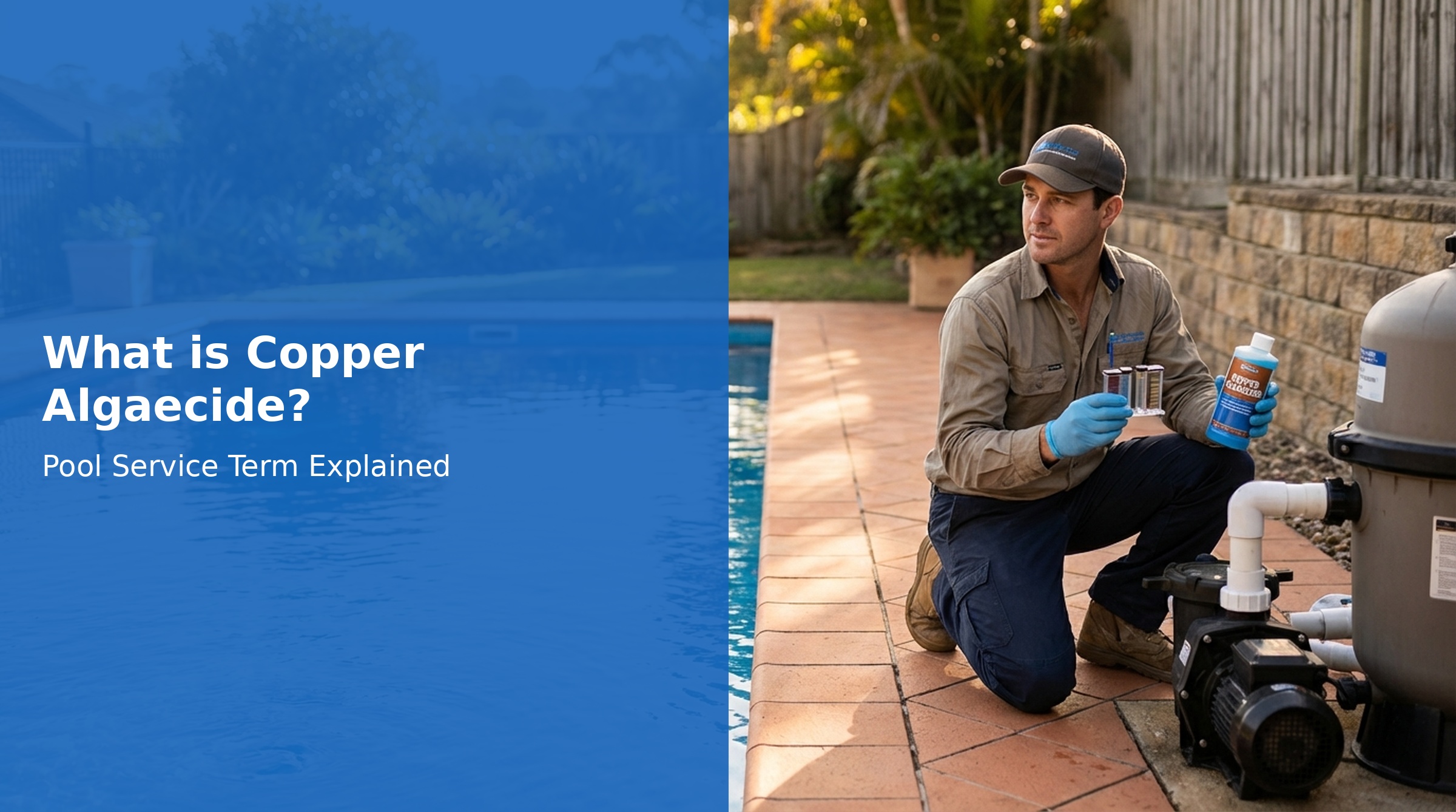
Copper algaecide stands as one of the most potent weapons in a pool professional's arsenal against stubborn algae infestations. While highly effective at eliminating algae through cellular destruction, this powerful chemical demands respect and precise application to avoid costly staining issues that can permanently damage pool surfaces. Understanding when, how, and why to use copper algaecide can mean the difference between a successful algae treatment and an expensive repair bill.
Key Takeaways
- Copper algaecide destroys algae by rupturing cell membranes, making it highly effective against resistant strains
- Risk of blue/purple copper cyanurate staining requires careful monitoring of copper levels and water chemistry
- Available in both liquid and solid forms, each with specific application methods
- Always test copper levels before, during, and after treatment
- Proper water balance is critical to prevent copper precipitation and staining
What is Copper Algaecide and How Does it Work?
Copper algaecide is a specialized pool chemical that utilizes copper ions as its active ingredient to eliminate algae through a process called cell lysis. Unlike traditional sanitizers that work through oxidation, copper algaecide penetrates algae cell walls and causes them to rupture, effectively destroying the organism from within. This mechanism makes it particularly effective against chlorine-resistant algae strains that have developed protective biofilms or exist in areas with poor circulation.
The copper ions remain active in the water for extended periods, providing residual algae protection that can last several weeks. This persistence is both copper algaecide's greatest strength and its primary risk factor, as accumulated copper can lead to staining if not properly managed.
Liquid vs. Solid Copper Algaecide
Liquid copper algaecide typically comes as copper sulfate pentahydrate or chelated copper solutions. These dissolve quickly and distribute evenly throughout the pool, making them ideal for immediate treatment needs. Solid forms, often copper sulfate crystals, require pre-dissolution but tend to be more cost-effective for large-scale treatments.
When to Use Copper Algaecide
Pool service professionals should consider copper algaecide in specific scenarios where conventional treatments have proven insufficient. Black algae infestations represent the most common application, as this stubborn organism creates protective layers that resist standard chlorine treatments. Similarly, recurring green or mustard algae that returns despite proper sanitization often indicates the need for copper algaecide intervention.
Copper algaecide also proves valuable in pools with chronic circulation issues where dead zones allow algae to establish resistant colonies. However, it should never be the first line of defense against routine algae problems that can be resolved through proper chlorination and water balance.
Situations to Avoid Copper Algaecide
Never use copper algaecide in pools with existing metal staining, high total dissolved solids, or persistent water balance issues. Pools with plaster surfaces older than six months require extra caution, as aged plaster becomes more porous and susceptible to staining. Additionally, avoid copper treatments immediately before special events, as the risk of staining isn't worth the potential liability.
Application Best Practices
Successful copper algaecide treatment begins with comprehensive water testing and balancing. The Langelier Saturation Index should be slightly negative (-0.1 to -0.3) to prevent copper precipitation. This typically means maintaining pH between 7.2-7.4, total alkalinity at 80-100 ppm, and calcium hardness appropriate for your local conditions.
Before application, brush all affected areas thoroughly to break up biofilms and expose algae to treatment. Apply copper algaecide according to manufacturer specifications, typically 0.5-1.0 ppm copper for initial treatments. Always add chemicals to water, never water to chemicals, and distribute evenly around the pool perimeter with the circulation system running.
Monitoring and Testing Protocol
Test copper levels immediately after application using a reliable copper test kit or digital photometer. Copper levels should never exceed 1.0 ppm, with 0.2-0.5 ppm being ideal for algae control. Retest copper levels every 2-3 days during treatment and weekly thereafter until levels drop below 0.1 ppm.
Monitor water chemistry daily during copper algaecide treatment, paying special attention to pH drift. Use your chemical dosage calculator to maintain precise water balance, as even small deviations can trigger copper precipitation and staining.
Preventing and Managing Copper Staining
The dreaded blue-purple copper cyanurate staining typically occurs when copper levels exceed 1.0 ppm or when cyanuric acid levels are high (above 50 ppm). This staining is actually copper cyanurate precipitation that bonds with plaster surfaces, creating permanent discoloration that requires acid washing or replastering to remove.
Prevention remains far more cost-effective than remediation. Maintain proper water balance throughout treatment, avoid over-application, and never add copper algaecide to pools with high cyanuric acid levels without first diluting or draining water.
Early Intervention for Staining
If slight discoloration appears during treatment, immediately stop copper algaecide application and begin copper removal procedures. Ascorbic acid (vitamin C) can remove fresh copper staining, but must be applied quickly before the copper permanently bonds with the surface. Severe cases may require professional metal sequestrant treatment or surface refinishing.
Professional Documentation and Client Communication
Always document copper algaecide applications in service records, including initial water chemistry readings, application rates, and copper test results. Take photos of pool conditions before, during, and after treatment to protect against liability claims.
Inform clients about the treatment process and potential risks. Explain why copper algaecide is necessary for their specific algae problem and obtain written consent for treatment. Set realistic expectations about treatment duration and any temporary water appearance changes.
Integration with Comprehensive Algae Management
Copper algaecide should be part of a comprehensive algae management strategy, not a standalone solution. Address underlying causes like poor circulation, inadequate sanitization, or nutrient imbalances that allow algae to establish. Reference your pool service terminology glossary to ensure consistent communication about treatment protocols with both staff and clients.
Follow up copper treatments with enhanced filtration, regular brushing, and optimized sanitizer levels to prevent algae recurrence. Consider implementing weekly algaecide maintenance using non-copper alternatives to provide ongoing protection without accumulation risks.
Conclusion
Copper algaecide remains an invaluable tool for pool service professionals facing resistant algae challenges, but its power demands respect and precision. Success lies in proper application timing, meticulous water balance maintenance, and constant monitoring of copper levels. When used correctly, copper algaecide can eliminate the most stubborn algae infestations while preserving pool surfaces and maintaining client satisfaction. Remember that with great algaecidal power comes great responsibility – always prioritize safety and surface protection over speed of treatment.