
What Is Cal Hypo for Pools?


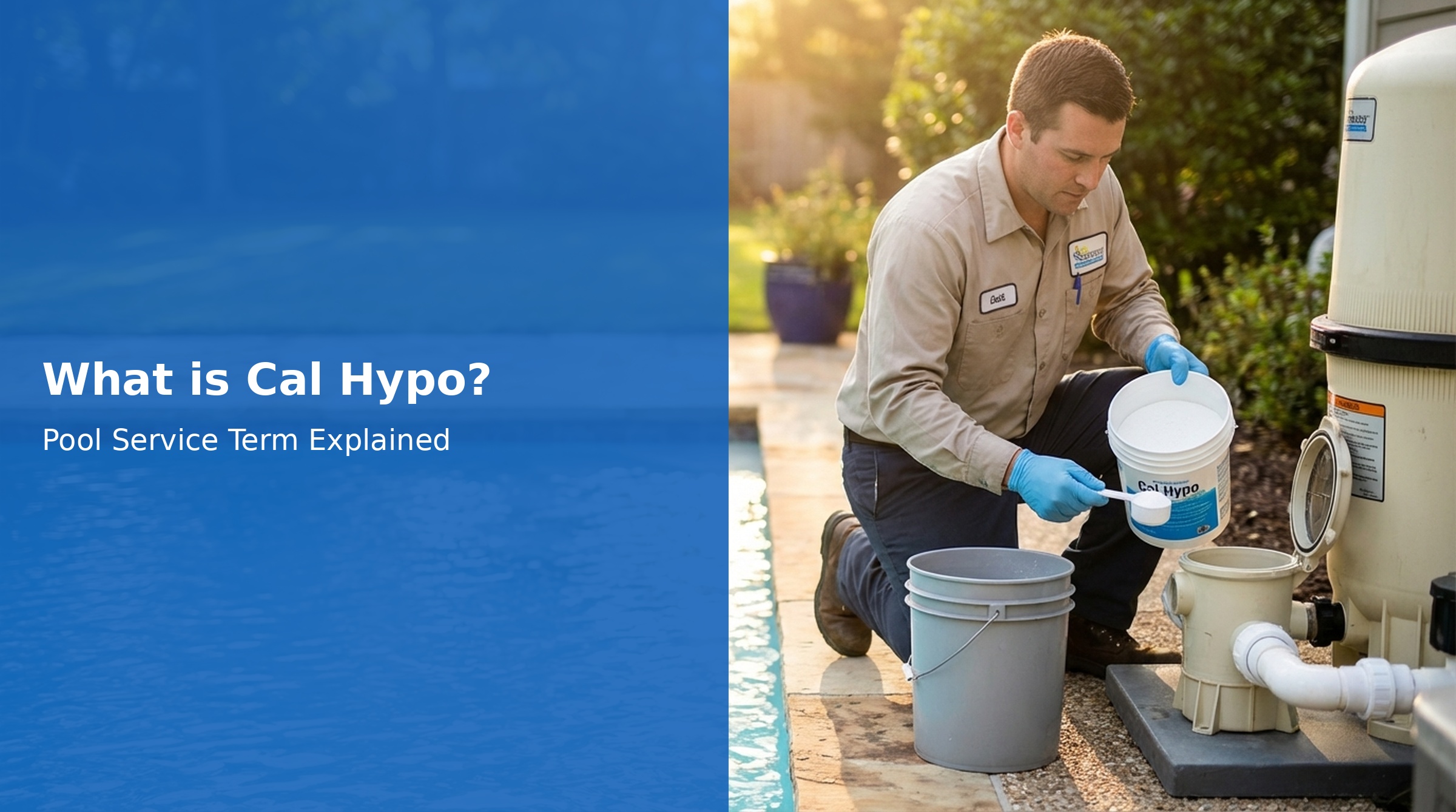
Cal hypo stands as one of the most potent and reliable sanitizers in the pool service professional's arsenal. Short for calcium hypochlorite, this powerful chemical compound has been the backbone of commercial and residential pool sanitation for decades. Understanding its properties, applications, and proper handling techniques is essential for any pool service technician looking to maintain crystal-clear, safe swimming environments for their clients.
Key Takeaways
- Cal hypo contains 65-70% available chlorine, making it one of the strongest pool sanitizers
- It raises both chlorine levels and calcium hardness when added to pool water
- Ideal for shock treatments, algae elimination, and maintaining sanitizer levels in high-bather-load situations
- Requires careful storage and handling due to its oxidizing properties
- Works best in pools with proper pH balance between 7.2-7.6
What is Cal Hypo?
Calcium hypochlorite is an inorganic compound with the chemical formula Ca(ClO)₂. In pool service applications, it appears as a white, granular powder or compressed tablets that dissolve readily in water. When dissolved, cal hypo releases hypochlorous acid (HOCl), the active sanitizing agent that eliminates bacteria, viruses, and other contaminants in pool water.
Unlike liquid chlorine or sodium hypochlorite, cal hypo is a dry chemical that remains stable for extended periods when stored properly. This stability makes it particularly valuable for pool service routes where consistent, reliable sanitization is paramount. The compound typically contains between 65-70% available chlorine, significantly higher than most other chlorine sources used in pool maintenance.
Why Cal Hypo Matters in Pool Service
Superior Sanitizing Power
The high available chlorine content in cal hypo makes it exceptionally effective for shock treatments and rapid sanitizer recovery. When pools experience heavy bather loads, algae blooms, or contamination events, cal hypo provides the concentrated chlorine punch needed to restore water quality quickly. A single pound of cal hypo can raise the chlorine level in a 10,000-gallon pool by approximately 10 parts per million (ppm).
Cost-Effectiveness for Service Routes
Pool service professionals often favor cal hypo for its economic advantages. The concentrated nature means less product volume to transport and store, reducing operational costs. Additionally, the longer shelf life compared to liquid chlorine reduces waste from product degradation, making it an efficient choice for businesses managing multiple accounts.
Versatility in Applications
Cal hypo serves multiple functions beyond basic sanitization. It effectively oxidizes organic contaminants, eliminates chloramines that cause eye irritation and strong chlorine odors, and provides the oxidizing power needed to maintain clear water in challenging conditions.
Proper Application Techniques
Dosage Calculations
Accurate dosing is crucial when working with cal hypo due to its potency. For routine sanitization, aim for 1-3 ppm free chlorine in residential pools and 2-4 ppm in commercial facilities. For shock treatments, target 10-12 ppm, or 10 times the combined chlorine level if chloramines are present. Professional pool service technicians should utilize a chemical dosage calculator to ensure precise measurements and avoid over-chlorination.
Application Methods
Never add cal hypo directly to the pool skimmer or through automatic chlorinators not specifically designed for granular chlorine. Instead, pre-dissolve the required amount in a bucket of pool water, stirring until completely dissolved. Add this solution to the pool while the circulation system is running, preferably in the deep end away from metal fixtures and pool surfaces.
Timing Considerations
Apply cal hypo during evening hours or when the pool is not in use. The high chlorine levels immediately after application can cause skin and eye irritation. Allow adequate time for chlorine levels to return to safe swimming ranges (typically 1-4 ppm) before permitting bather entry.
Important Considerations and Limitations
Calcium Hardness Impact
One significant consideration when using cal hypo is its effect on calcium hardness levels. Each pound of cal hypo added to 10,000 gallons of water increases calcium hardness by approximately 7 ppm. Over time, this can lead to elevated calcium levels, potentially causing scale formation and cloudy water. Regular monitoring of calcium hardness and occasional water dilution may be necessary in pools where cal hypo is the primary sanitizer.
pH Effects
Cal hypo has a pH of approximately 11.8, causing pool water pH to rise with each application. This necessitates regular pH monitoring and adjustment using muriatic acid or sodium bisulfate to maintain the optimal range of 7.2-7.6. Proper pH balance is essential for maximizing sanitizer effectiveness and ensuring bather comfort.
Storage and Safety Requirements
Cal hypo is a strong oxidizing agent that requires careful handling and storage. Store in a cool, dry location away from incompatible chemicals, particularly acids and organic materials. Never mix cal hypo with other chemicals, as dangerous reactions can occur. Always wear appropriate personal protective equipment, including gloves and eye protection, when handling the product.
Troubleshooting Common Issues
Cloudy Water After Application
Cloudiness following cal hypo addition often results from high calcium levels or improper pH balance. Check and adjust pH first, then evaluate calcium hardness levels. If calcium hardness exceeds 400 ppm, consider partial water replacement or switching to alternative sanitizers temporarily.
Bleaching of Pool Surfaces
Undissolved cal hypo granules can bleach vinyl liners or discolor plaster surfaces. Always pre-dissolve completely and brush any settled granules immediately. For pools with sensitive surfaces, consider using a gradual application method or alternative chlorine sources.
Integration with Water Balance Programs
Successful cal hypo use requires integration with comprehensive water balance monitoring. Regular testing of chlorine levels, pH, alkalinity, and calcium hardness ensures optimal water quality and prevents problems before they develop. Consider using the Langelier Saturation Index calculator to evaluate overall water balance and scaling potential, especially in pools with regular cal hypo use.
Understanding and properly implementing cal hypo in pool service operations provides a reliable foundation for maintaining safe, clear pool water. Its potent sanitizing power, combined with proper application techniques and water balance management, makes it an invaluable tool for pool service professionals committed to delivering exceptional water quality for their clients. For additional technical terms and definitions, consult our comprehensive pool service terminology glossary to expand your professional knowledge base.