
What Is Biofilm in Pool Water?


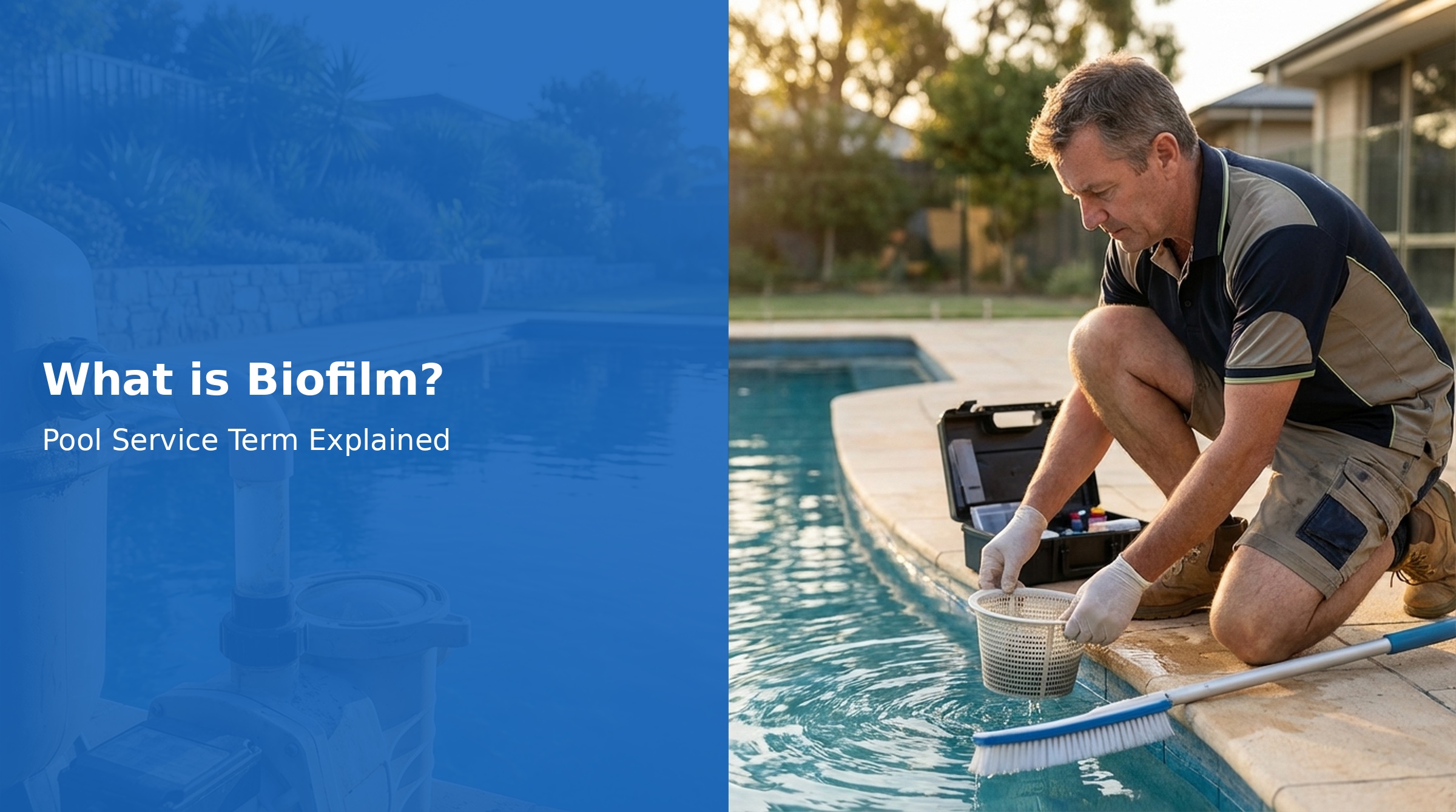
If you've ever wondered why some pools remain cloudy or develop recurring algae issues despite proper chemical levels, the culprit might be lurking in plain sight—or rather, hiding behind an invisible shield. Biofilm represents one of the most persistent challenges in pool maintenance, acting as a protective fortress that allows harmful microorganisms to thrive even in well-sanitized water. Understanding how to identify, prevent, and eliminate biofilm is crucial for maintaining crystal-clear, healthy swimming environments.
Key Takeaways
- Biofilm is a slimy protective layer formed by bacteria and microorganisms on pool surfaces
- It acts as a barrier against chlorine and other sanitizers, making standard chemical treatments ineffective
- Physical disruption through brushing is essential for biofilm removal
- Biofilm commonly develops in circulation systems, on pool walls, and in equipment
- Prevention requires consistent maintenance and proper water chemistry balance
Understanding Biofilm: The Invisible Enemy
Biofilm is essentially a survival mechanism employed by bacteria, algae, and other microorganisms. When these organisms detect threats in their environment—such as chlorine or other sanitizers—they produce a protective matrix of proteins, sugars, and DNA that forms a slippery, shield-like coating on surfaces. This biological armor allows the microorganisms within to communicate, share resources, and resist chemical treatments that would normally eliminate them.
Think of biofilm as a microscopic fortress city. The outer walls (the biofilm matrix) protect the inhabitants (bacteria and other microorganisms) from external threats, while the residents inside continue to multiply and potentially cause water quality issues. This is why pools can maintain proper sanitizer levels yet still experience persistent problems with clarity, odor, or algae growth.
Where Biofilm Develops
Biofilm formation isn't random—it typically occurs in areas where water flow is reduced or where surfaces provide ideal attachment points:
- Circulation system pipes: The interior walls of plumbing lines, especially in areas with low flow or dead zones
- Pool equipment: Inside filters, heaters, and pump baskets
- Pool surfaces: Walls, steps, ladders, and behind light fixtures
- Waterline areas: Where organic matter and oils tend to accumulate
- Spa jets and returns: Areas with intermittent water flow
Why Biofilm Matters for Pool Professionals
For pool service technicians, biofilm represents a significant challenge because it undermines the effectiveness of standard maintenance procedures. When biofilm is present, you might encounter:
Persistent Water Quality Issues
Customers may complain about cloudy water, strong chlorine odors, or skin irritation despite balanced chemistry readings. The protected bacteria within biofilm continue producing waste products and consuming sanitizers, creating an ongoing demand that's difficult to satisfy through chemical adjustments alone.
Recurring Algae Problems
Algae can establish itself within biofilm communities, making it extremely difficult to eliminate through standard shock treatments. Even after successful algae treatment, spores protected within biofilm can quickly reestablish visible growth, leading to frustrated customers and repeat service calls.
Increased Chemical Consumption
Pools with significant biofilm buildup often require higher than normal sanitizer levels to maintain basic water quality. This increased chemical demand can strain budgets and potentially cause other water balance issues.
Identifying Biofilm Presence
Since biofilm is often invisible to the naked eye, pool professionals must rely on indirect indicators:
- Slippery surfaces: Pool walls, steps, or equipment that feel unusually slick even after cleaning
- Persistent odors: Musty or "swampy" smells that don't respond to normal chemical treatment
- Rapid sanitizer depletion: Chlorine levels that drop quickly despite proper dosing
- Recurring problems: Issues that return shortly after treatment
- Poor chemical response: Water that doesn't respond predictably to standard chemical dosing
Effective Biofilm Removal Strategies
Physical Disruption
The most critical aspect of biofilm removal is physical disruption. Chemicals alone cannot penetrate the protective matrix effectively, making mechanical action essential:
- Aggressive brushing: Use stiff brushes on all accessible surfaces, paying special attention to corners, steps, and behind fixtures
- Filter cleaning: Thoroughly clean or replace filter media, as biofilm often accumulates in these areas
- Equipment maintenance: Disassemble and clean pump baskets, skimmer baskets, and other removable components
Chemical Treatment Protocol
After physical disruption, implement a targeted chemical approach:
- Enzyme treatment: Apply enzyme-based products that can help break down the organic components of biofilm
- Shock treatment: Follow with a heavy chlorine shock to eliminate exposed microorganisms
- Extended filtration: Run the circulation system continuously for 24-48 hours to remove debris
- Water balance verification: Ensure all parameters are within ideal ranges using tools like the Langelier Saturation Index calculator
Prevention Strategies
Preventing biofilm formation is far more efficient than removing established colonies:
Consistent Maintenance Schedule
Regular brushing disrupts biofilm formation before it becomes established. Even pools with perfect chemistry benefit from weekly brushing of all surfaces.
Proper Circulation
Ensure adequate water circulation to all areas of the pool. Dead zones with stagnant water provide ideal conditions for biofilm development. Consider recommending additional return fittings or circulation pumps for problem areas.
Balanced Water Chemistry
Maintain proper sanitizer levels, pH, and alkalinity. While biofilm can resist chemical treatment, consistently balanced water prevents initial formation and supports the effectiveness of preventive measures.
Professional Implementation
When addressing biofilm issues, communicate clearly with customers about the nature of the problem and the comprehensive approach required. Unlike simple chemical imbalances, biofilm removal requires time, multiple service visits, and potentially additional equipment maintenance.
Document your findings and treatments carefully. Biofilm issues often indicate underlying problems with circulation, filtration, or maintenance frequency that may require system modifications or service plan adjustments.
Consider incorporating biofilm prevention into your regular service protocols. This proactive approach can prevent costly treatment procedures and maintain higher customer satisfaction. For additional technical terminology that may arise during biofilm discussions, reference our comprehensive pool service terminology glossary.
Conclusion
Biofilm represents a sophisticated survival mechanism that can undermine even the most careful chemical maintenance programs. Success in managing biofilm requires understanding its protective nature, implementing physical removal techniques, and maintaining consistent prevention protocols. By incorporating biofilm awareness into your regular service approach, you can deliver superior water quality results and build stronger customer relationships based on professional expertise and proactive problem-solving.