
What Is an Air Release Valve on a Pool Filter?


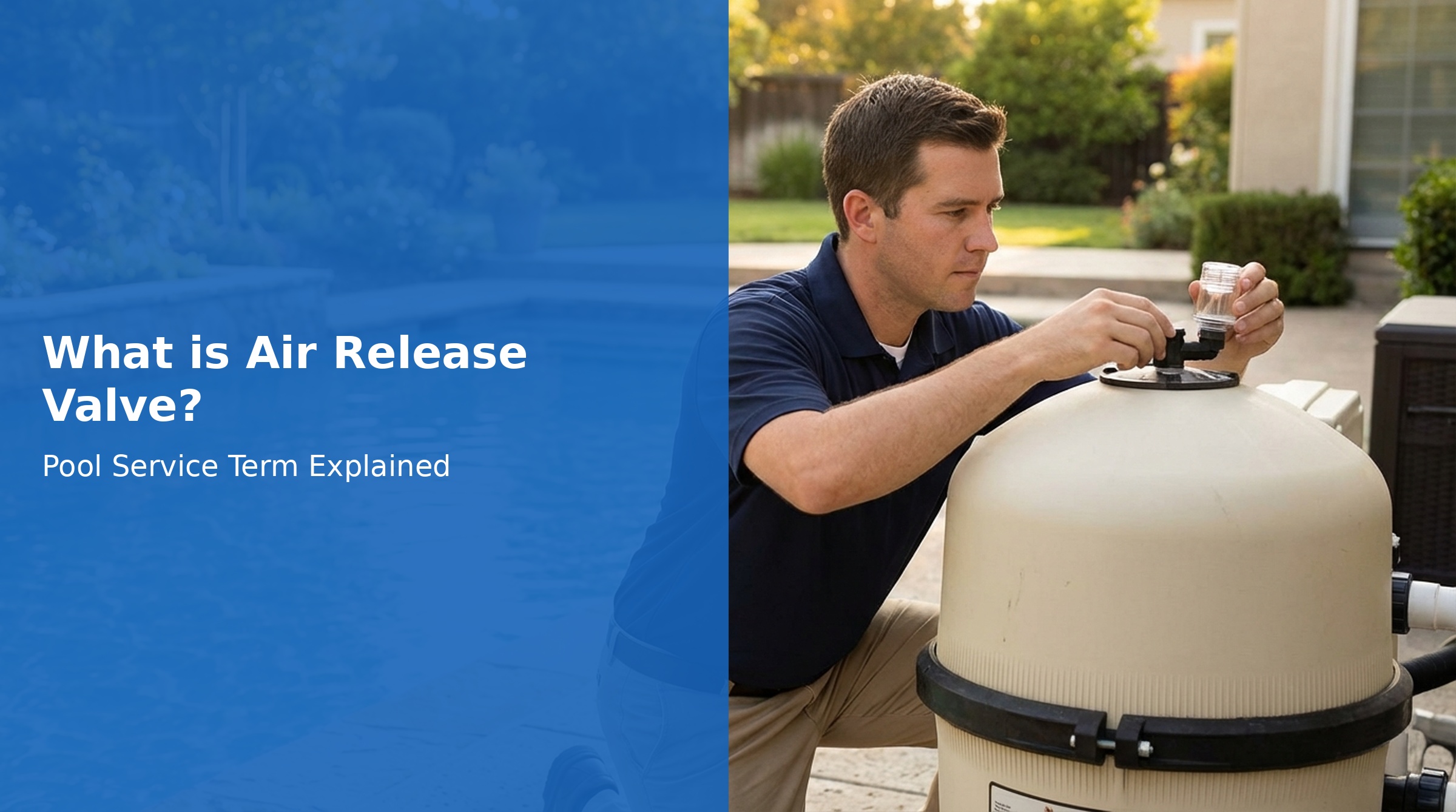
Pool filtration systems depend on proper priming and efficient water circulation to maintain crystal-clear water. At the heart of this process lies a small but crucial component that many pool service professionals take for granted: the air release valve. This seemingly simple device plays a vital role in system startup, maintenance, and troubleshooting, making it an essential element every pool technician should thoroughly understand.
Key Takeaways
- Air release valves are critical for proper system priming and preventing air locks
- Located on top of pool filters, they should be opened during pump startup and closed when water flows consistently
- Proper operation prevents equipment damage and ensures optimal filtration efficiency
- Regular maintenance and understanding of common issues can prevent costly service calls
- Different filter types may have varying valve configurations and operating procedures
Understanding the Air Release Valve
The air release valve, also known as an air relief valve or bleeder valve, is a manual valve positioned at the highest point of a pool filter housing. Its primary function is to allow trapped air to escape from the filtration system during the priming process. Without this critical component, air pockets would remain trapped in the system, creating air locks that prevent proper water circulation and can lead to pump cavitation or complete system failure.
The valve typically consists of a threaded knob or lever mechanism that opens and closes a small orifice. When opened, it provides a pathway for air to escape while water fills the filter housing. The key to proper operation lies in timing – knowing exactly when to open the valve during startup and when to close it as the system reaches full prime.
Why Air Release Valves Matter in Pool Service
Preventing Equipment Damage
Air trapped in the filtration system creates several problems that can lead to costly equipment failures. When air accumulates in the pump housing or filter, it reduces the pump's ability to move water efficiently. This forces the pump to work harder, increasing energy consumption and accelerating wear on internal components. In severe cases, air locks can cause pump cavitation, which damages impellers and motor bearings.
Ensuring Optimal Water Chemistry
Proper water circulation is fundamental to maintaining balanced pool chemistry. When air release valves aren't operated correctly, reduced flow rates can create dead zones in the pool where chemicals don't circulate effectively. This can lead to algae growth, cloudy water, and increased chemical consumption. For pool service professionals managing multiple accounts, understanding how proper valve operation impacts chemical dosing requirements is crucial for maintaining water quality standards.
Maintaining System Efficiency
A properly primed system with no air locks operates at peak efficiency, providing maximum filtration with minimum energy consumption. This efficiency directly impacts operating costs and equipment longevity, making proper air release valve operation a critical skill for service professionals focused on customer satisfaction and profitability.
Proper Operating Procedures
System Startup Protocol
The correct procedure for using an air release valve begins before the pump starts. First, ensure the valve is in the open position by turning it counterclockwise until it stops. This allows air to escape as water enters the system. Next, start the circulation pump and observe the valve opening. Initially, only air will escape, often accompanied by gurgling sounds as the system fills with water.
As the system continues to prime, you'll notice the air flow decreasing and eventually see water beginning to emerge from the valve opening. The critical moment comes when a steady stream of water flows from the valve – this indicates the filter housing is full and the system is properly primed. At this point, close the valve by turning it clockwise until snug, but avoid over-tightening which can damage the valve seat.
Different Filter Types and Valve Variations
Sand filters typically have a single air release valve at the top of the tank, making the process straightforward. Cartridge filters may have multiple valves or different configurations depending on the manufacturer and model. Some newer systems feature automatic air release valves that operate without manual intervention, though understanding manual operation remains important for troubleshooting.
Diatomaceous earth (DE) filters often require special attention to valve operation due to their internal grid systems and the need to prevent DE powder from entering the valve mechanism. In these systems, proper timing of valve closure is even more critical to prevent contamination.
Common Issues and Troubleshooting
Valve Won't Hold Prime
When an air release valve fails to maintain system prime, several issues could be at fault. A damaged valve seat or O-ring may prevent proper sealing, allowing air to continuously enter the system. Debris lodged in the valve opening can also prevent complete closure. Regular inspection and cleaning of valve components prevents these issues and ensures reliable operation.
Stuck or Seized Valves
Exposure to pool chemicals and environmental conditions can cause valve mechanisms to seize or become difficult to operate. Regular lubrication with appropriate lubricants and gentle operation prevents damage. When valves become stuck, avoid using excessive force which can break plastic components or damage threads.
Continuous Air in System
If air continuously enters the system despite proper valve operation, the issue likely lies elsewhere in the circulation system. Common causes include loose pump lid O-rings, cracked suction lines, or damaged valve gaskets. Systematic troubleshooting starting from the pump and working toward the filter helps identify the source.
Best Practices for Pool Service Professionals
Developing standardized procedures for air release valve operation improves service efficiency and reduces callbacks. Create checklists that include valve operation as part of routine maintenance visits, equipment startups, and system repairs. Train staff on proper techniques and emphasize the importance of gentle operation to prevent damage.
Regular inspection of air release valves should be part of comprehensive equipment evaluations. Look for signs of wear, corrosion, or damage that might affect operation. Keep replacement O-rings and valve components in your service vehicle to address issues immediately rather than scheduling return visits.
Documentation of valve condition and operation in service records helps track equipment aging and plan maintenance schedules. This proactive approach prevents unexpected failures and demonstrates professional attention to detail that customers value.
Integration with Overall System Management
Understanding air release valve operation connects to broader pool chemistry and equipment management concepts. Proper system priming affects circulation rates, which in turn influences chemical distribution and water balance calculations. For comprehensive pool management, consider how valve operation relates to water balance indices and overall system performance.
Building expertise in all aspects of pool equipment operation, including seemingly minor components like air release valves, distinguishes professional service providers from less experienced competitors. For expanding your technical knowledge across all pool service terminology, reference comprehensive resources like our pool service terminology glossary.
Conclusion
The air release valve may be small, but its impact on pool system operation is significant. Proper understanding and operation of this critical component prevents equipment damage, ensures optimal water circulation, and maintains the efficiency that customers expect from professional pool service. By mastering these fundamental skills and incorporating them into standardized service procedures, pool professionals can deliver superior service while minimizing costly callbacks and equipment failures. Remember, attention to these details separates expert technicians from those who simply go through the motions, ultimately building the reputation and success that drives a thriving pool service business.